US Lets Nvidia Ship H200 Chips to China: Security Fears vs Revenue Gains
US Lets Nvidia Ship H200 Chips to China: Security Fears vs Revenue Gains

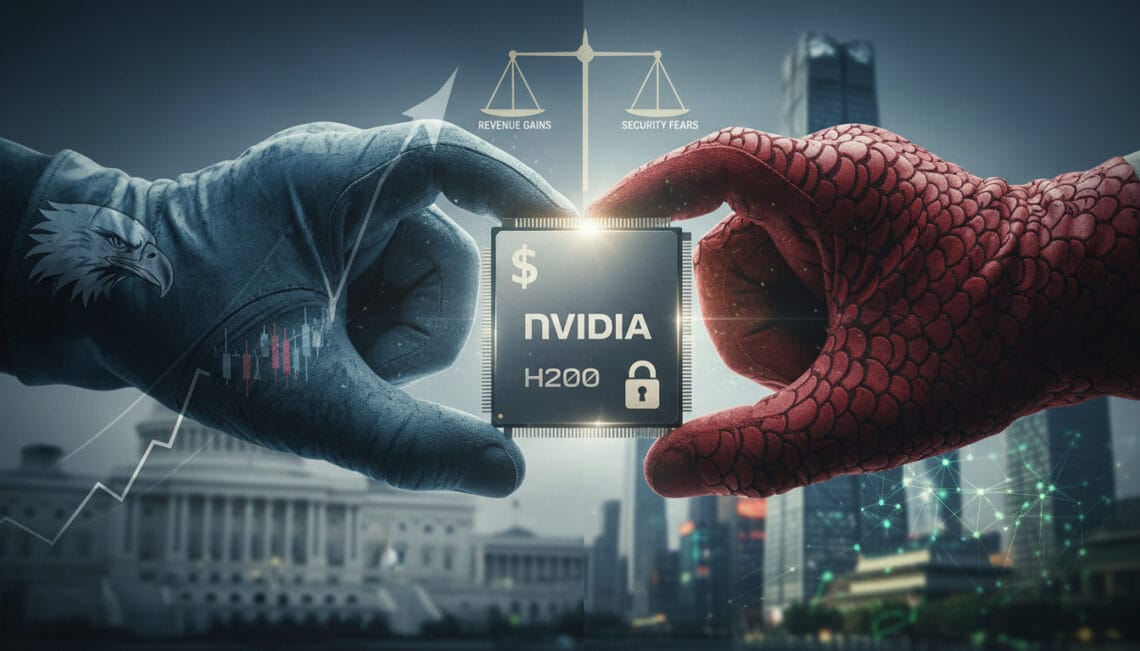
The US Department of Commerce just approved Nvidia shipping H200 AI chips to select customers in China (AP News). These chips, about 18 months old and more powerful than the H20 version made for that market, come with the US taking a 25% cut of sales, per TechCrunch reporting on CNBC. Nvidia called it a “thoughtful balance” that supports American jobs.
Congress Pushes Back on Security Risks
Senators Pete Ricketts (R-NE) and Chris Coons (D-DE) introduced the SAFE Chips Act on December 4 to block advanced AI chip exports to China for 30 months. TechCrunch notes this directly clashes with the approval, as both parties have long flagged national security dangers from China accessing top US tech.
Experts split on the controls’ effects. Semafor quotes Greg Allen from the Wadhwani AI Center saying restrictions gave the US a computing edge—Chinese firms like Tencent and DeepSeek cite chip shortages as their biggest hurdle. Without blocks, China might have built the first million-chip AI cluster.
China’s Response and Failed H20 Plan
China’s regulators banned companies from buying Nvidia’s H20 chips in September over security issues, boosting local players like Huawei and Alibaba. Semafor says the White House saw this as a win for Chinese rivals, prompting the H200 compromise to reclaim market share.
President Trump put the call in Commerce Secretary Howard Lutnick’s hands, then greenlit it (NYT, Reuters). Trump posted that China’s Xi Jinping reacted positively on Truth Social.
Trade Ripple Effects
For Nvidia, this opens China’s huge market after months of strained sales. The US gets revenue share while keeping newer tech ahead. But Semafor’s Reed Brockway argues controls only slow China short-term—they’re dead set on self-reliance. US firms gained ground early, yet China still advances with models from DeepSeek and hardware from Huawei.
- Upside: US chips stay global standard, Nvidia revenue jumps, government cut funds priorities.
- Downside: China gets powerful GPUs for AI, potentially closing the gap despite delays.
Trump’s team rescinded Biden-era rules over summer, tying chips to trade talks with a planned 15% US cut that evolved to 25% (Axios). No word yet on SAFE Act votes.

Sebastyen
Sebastyen Wolf is our Editor-in-Chief. He is an analyst and entrepreneur with experience working alongside early-stage founders, launching online ventures, and studying the data patterns that shape successful companies. A fan of Shark Tank since Season 1, he now focuses on translating the show’s most valuable insights into clear, practical takeaways for readers.