Howard Marks’ Latest Memo: Is It a Bubble?
Howard Marks’ Latest Memo: Is It a Bubble?
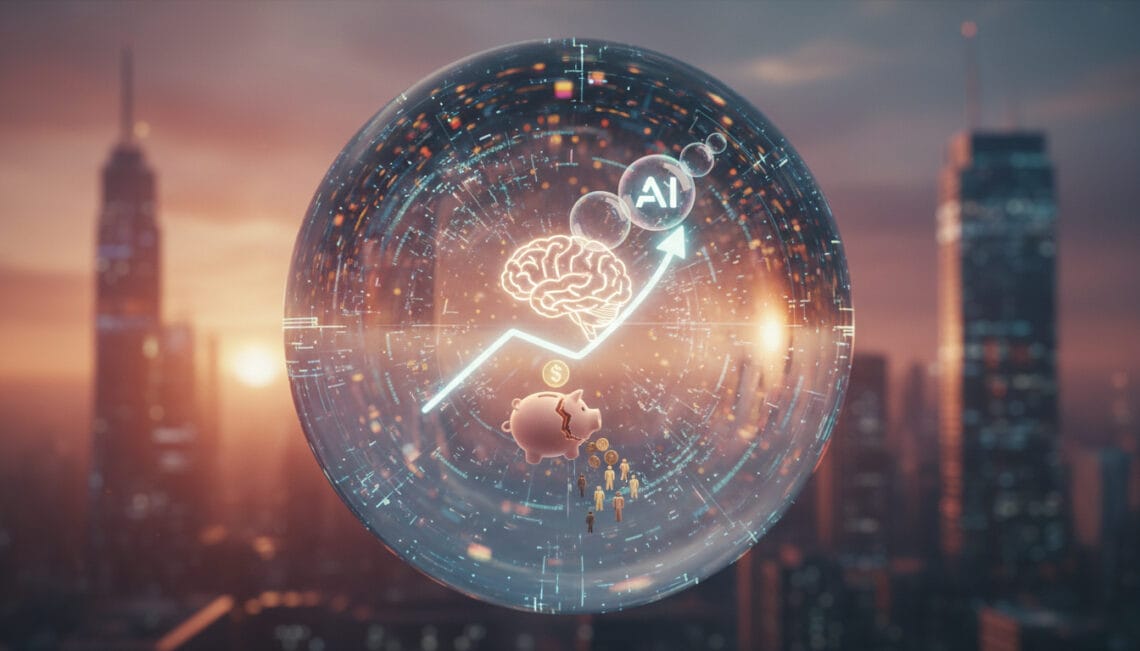
Howard Marks put out his newest memo to Oaktree clients, titled Is It a Bubble? He sizes up the AI frenzy and asks if it matches old-school bubbles. Marks admits AI could rank among history’s biggest tech shifts. Still, he flags wild investor hype, heavy spending, and debt piles that look a lot like past blowups.
AI’s Hold on Markets and Echoes of History
Marks points to AI driving most S&P 500 gains lately. Nvidia leads the pack: its market value jumped about 8,000 times since its 1999 IPO, per Moneycontrol’s coverage of the memo. AI now eats up big chunks of company capex and fuels US GDP growth. A Fortune headline Marks cites says AI accounts for 75% of S&P gains, 80% of profits, and 90% of capex.
He draws lines to earlier booms like railroads, radio, aviation, and the internet. Each mixed real breakthroughs with overbuilding and crashes. Marks quotes Derek Thompson calling AI “the railroad of the 21st century.” History repeats in how a hot idea hooks early winners, pulls in the crowd, and sends prices way past sense.
Bubble Signs: Debt, Loops, and Unknowns
What sets this apart? Massive cash flows and debt. JPMorgan pegs the AI infrastructure push at up to $5 trillion. Big tech firms issue long-term bonds for data centers. Marks worries leverage amps up losses if things flop, and chips or centers could go obsolete fast.
He calls out “circular” deals, like cash looping between AI firms, chipmakers, and cloud outfits—echoing 1990s telecom excess. OpenAI gets billions from tech giants but pays them back for compute; Nvidia invests $100 billion in OpenAI, which buys its chips. Goldman Sachs figures that could hit 15% of Nvidia’s sales next year, as The Economic Times reports.
Off-balance-sheet vehicles fund data centers too, raising red flags for credit risks. Marks splits bubbles into “mean-reverting” ones (like subprime) that just wipe out wealth, and “inflection” ones (like railroads) that push progress but still torch investor cash. AI fits the second, he says—good for society, bad if you bet wrong.
- Big unknowns: Which firms win? How do they make money long-term? Will margins hold? How fast does tech change?
- Lottery thinking: Tiny odds of trillion-dollar wins justify sky-high prices now.
Investment Advice and Bigger Worries
Marks tells investors to take a middle path: don’t go all-in and risk wipeouts, but don’t sit out a real shift, as Benzinga notes. Pick wisely and stay careful. Debt plays revolutions wrong, he adds—equity can pay off big for winners, but lenders just collect coupons before losers default.
In a postscript, Marks gets darker. AI could slash millions of jobs, hitting entry-level workers hardest and threatening human purpose, per Business Insider. “I find it hard to imagine a world in which AI works shoulder-to-shoulder with all the people who are employed today,” he writes, per Business Insider. That sparks inequality, maybe universal basic income, bigger deficits, and fights over coastal billionaires’ role, Yahoo Finance warns. Baby boomers retiring might ease some pressure, though.
Marks wraps by asking optimists to prove him wrong. No one knows yet if it’s a bubble—we’ll see years from now.

Sebastyen
Sebastyen Wolf is our Editor-in-Chief. He is an analyst and entrepreneur with experience working alongside early-stage founders, launching online ventures, and studying the data patterns that shape successful companies. A fan of Shark Tank since Season 1, he now focuses on translating the show’s most valuable insights into clear, practical takeaways for readers.