Carl Rinsch Convicted of Scamming Netflix Out of $11 Million
Carl Rinsch Convicted of Scamming Netflix Out of $11 Million

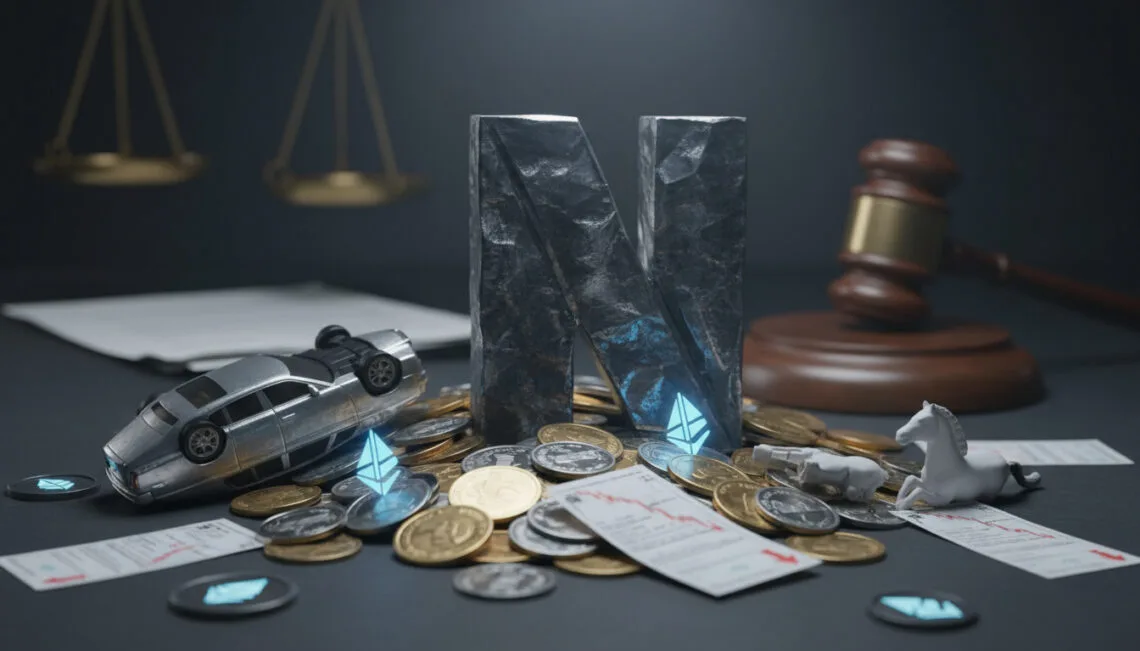
A New York jury convicted director Carl Rinsch of wire fraud, money laundering, and related charges after he took $11 million from Netflix meant for his sci-fi series White Horse—later retitled Conquest—and spent it on personal splurges instead. The trial lasted about a week in Manhattan federal court before Judge Jed Rakoff, who set sentencing for April 17, 2026. Rinsch faces up to 90 years, though he’ll get far less.
Who Is Carl Rinsch?
Rinsch directed the 2014 flop 47 Ronin starring Keanu Reeves, who once vouched for his talent on White Horse. In 2017, Rinsch shot six short episodes of the series about a scientist creating human-like androids that rebel, funding it himself and with small investors. He pitched it to studios, and in 2018 Netflix execs Cindy Holland and Peter Friedlander grabbed it from Amazon for over $61 million, per the Deadline report.
How the Scam Unfolded
Netflix paid Rinsch about $44 million from 2018-2019. By early 2020, amid COVID, he demanded more for pre- and post-production like crew pay and editing. Netflix wired $11 million on March 6 to his production company. But Rinsch quickly moved it through bank accounts to his personal brokerage.
- Lost over half in two months on big options trades, betting heavy on Gilead stock as a COVID cure, according to Variety.
- Turned to crypto with the rest, made some back, then blew $10 million on luxuries: $3.8 million on antiques and furniture (nearly $1 million on two mattresses and linens), $2.4 million on five Rolls-Royces and a Ferrari, $650,000 on watches, cars, food deliveries, and stocks, as detailed in the Hollywood Reporter, the New York Times, and the DOJ indictment.
Netflix got teaser clips but no full season, pulled the plug in 2021, wrote off $55 million, and won a $12 million arbitration award against him in 2024 that he hasn’t paid.
Why Did He Do It? The Trial Arguments
Prosecutors called it a clear scheme: Rinsch lied to get the cash, hid his plans, then splurged while delivering nothing. U.S. Attorney Jay Clayton said, “Carl Erik Rinsch took $11 million meant for a TV show and gambled it on speculative stock options and crypto transactions.” Holland and Friedlander testified; the jury saw a trailer Friedlander once called “visionary.”
Rinsch took the stand, claiming a misunderstanding—he’d shot principal photography, needed funds for his own prior investment or Season 2 leverage, and even said Rolls-Royces were props. His lawyers framed it as a contract dispute, not fraud, and dismissed luxuries as irrelevant. The jury deliberated hours and rejected it all (Business Insider).
Rinsch, out on $100,000 bond declaring no income, goes to sentencing next year.

Sebastyen
Sebastyen Wolf is our Editor-in-Chief. He is an analyst and entrepreneur with experience working alongside early-stage founders, launching online ventures, and studying the data patterns that shape successful companies. A fan of Shark Tank since Season 1, he now focuses on translating the show’s most valuable insights into clear, practical takeaways for readers.