Bethenny Frankel Net Worth, Shark Tank, and the Skinnygirl Clause That Changed Everything
TL;DR:
– Bethenny Frankel built Skinnygirl around one sharp idea, lower-calorie indulgence that still felt like a treat
– Her business origin story started with a hustler’s reflex, selling what big companies ignored and keeping control of the brand name
– Appeared as guest shark in Season 9 in 2017 and returned for the Season 9 finale and Season 10, where she backed consumer brands she thought could actually sell
– Net worth is publicly estimated at about $80 million, built across the Skinnygirl sale, licensing rights, media work, investing, and real estate
Contents
– [Early Life](#early-life)
– [The Business That Made Them](#the-business-that-made-them)
– [Investment Philosophy](#investment-philosophy)
– [On Shark Tank](#on-shark-tank)
– [Online Presence](#online-presence)
– [What People Are Saying](#what-people-are-saying)
– [Net Worth](#net-worth)
– [FAQ](#faq)
– [Final Take](#final-take)

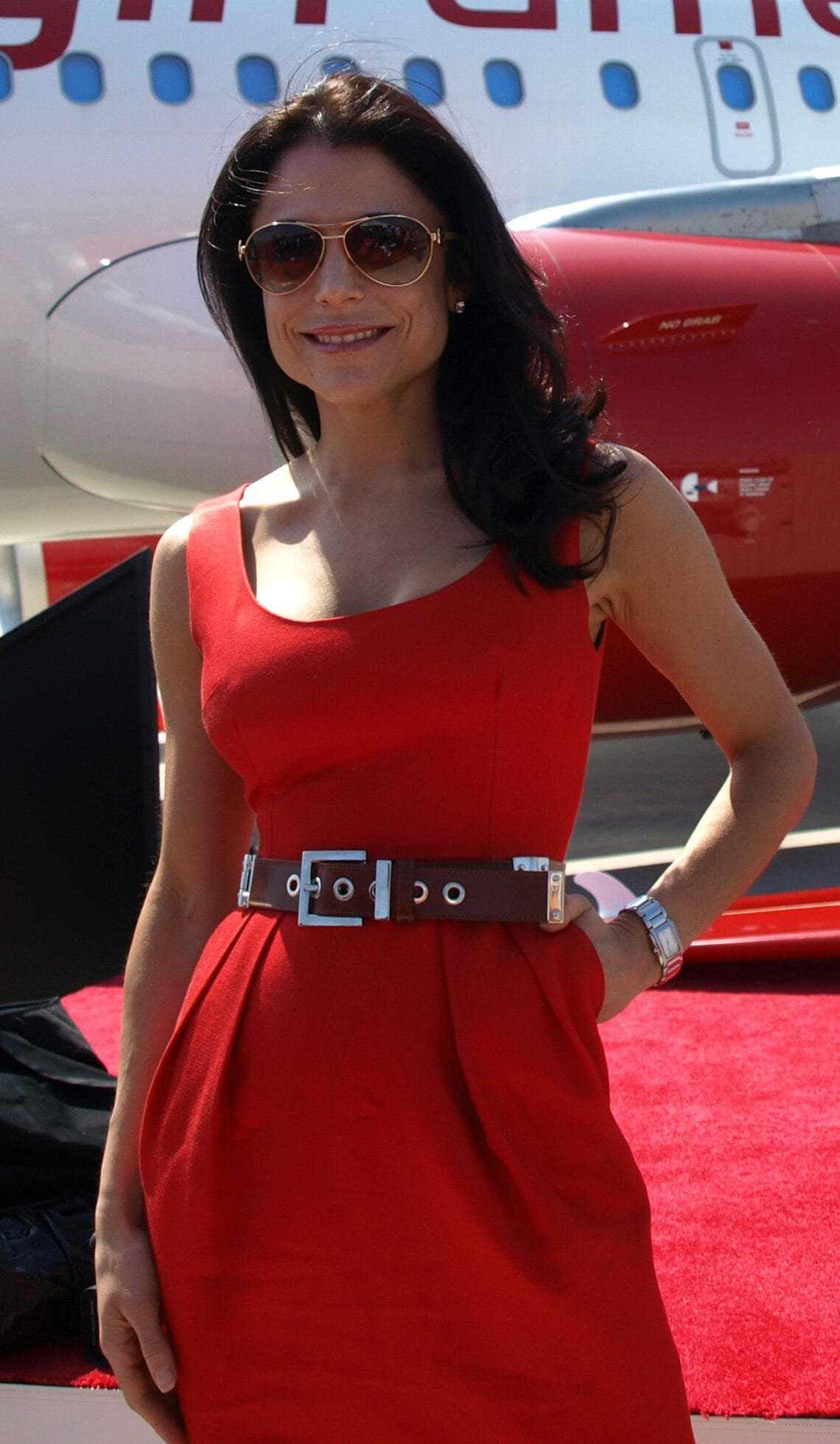
Caption: Bethenny Frankel before the TikTok era, already wearing the look of someone who would rather sell the room than admire it. Photo via Wikimedia Commons.
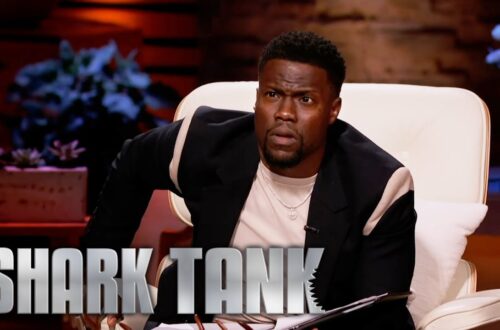
The wax strip came off Mark Cuban’s arm, and Bethenny Frankel looked almost delighted by the tiny bit of chaos she had just caused. It was a silly Shark Tank moment, but also a useful one. Frankel was never going to sit there like polite wallpaper while the men handled the commerce. She came to judge products, test them, interrupt when necessary, and make sure the room knew she had not wandered in from a reality-TV trailer by mistake.
That energy did not begin on a soundstage. It came from a life that sounds less like a neat origin myth and more like a stack of index cards thrown in the air. Horse tracks, unstable adults, odd jobs, nightclub promotions, celebrity assistant work, natural-food hustle, then a margarita that looked obvious only after it sold. A lot of people know Bethenny Frankel as the loudest person in the frame. The more serious story is that she built a real business because she understood one brutal truth, attention is useless unless you own the thing people buy after they look.
Early Life
Bethenny Robyn Frankel was born on November 4, 1970, in New York City. Her father, Robert J. Frankel, was a Hall of Fame horse trainer, and her childhood moved around the racetrack world. In a 2025 interview on The Bossticks, Frankel said she went to “like 13 schools” and described herself as “an adult as a child,” a sharp summary of a home life that gave her motion but not much steadiness.
The details matter because Frankel does not tell a bootstrap story in the glossy, conference-stage way. She talks about growing up around gamblers, unstable relationships, and adults who could light up a room one day and blow smoke through the wiring the next. In that same interview, when asked whether anyone served as her North Star, she answered, “No, it’s always been me.” In context, it lands less like a slogan and more like a weather report.
“No, it’s always been me.” , Bethenny Frankel, *The Bossticks*
She attended NYU, trained as a natural foods chef, and spent years doing the kind of work that looks random until you notice the pattern. She worked in Los Angeles restaurants, assisted celebrities, promoted nightlife, and sold whatever version of herself the moment required. The useful through line was not glamour. It was reps. Frankel learned early that if nobody was coming to rescue you, charm had to become labor.
The Business That Made Them
The company that made Frankel was Skinnygirl, and the business move that made her rich was not just the product. It was the structure. Skinnygirl Margarita hit a sweet spot in the late 2000s, a ready-to-drink cocktail pitched to women who wanted convenience without the syrupy calorie bomb. That sounds obvious now because success always gives hindsight a bad habit.
In a 2022 CNBC Small Business Playbook interview, Frankel said she “didn’t even know the word entrepreneur” in her late thirties and described herself instead as an idea person who could not help executing. That instinct met the right market. Forbes reported that Beam Global’s 2011 purchase of Skinnygirl was worth about $100 million including long-term payout, and later coverage stressed the part that really mattered, Frankel kept rights to the Skinnygirl name outside the liquor category. That is the clause people still study because it turned one sale into a licensing engine.
The math is not complicated, but it is impressive. If the signature sale was roughly $100 million, and Frankel kept the brand for categories like snacks, dressings, preserves, shapewear, and other licensing extensions, she did not just cash out. She sold one lane of the highway and kept the tollbooth.
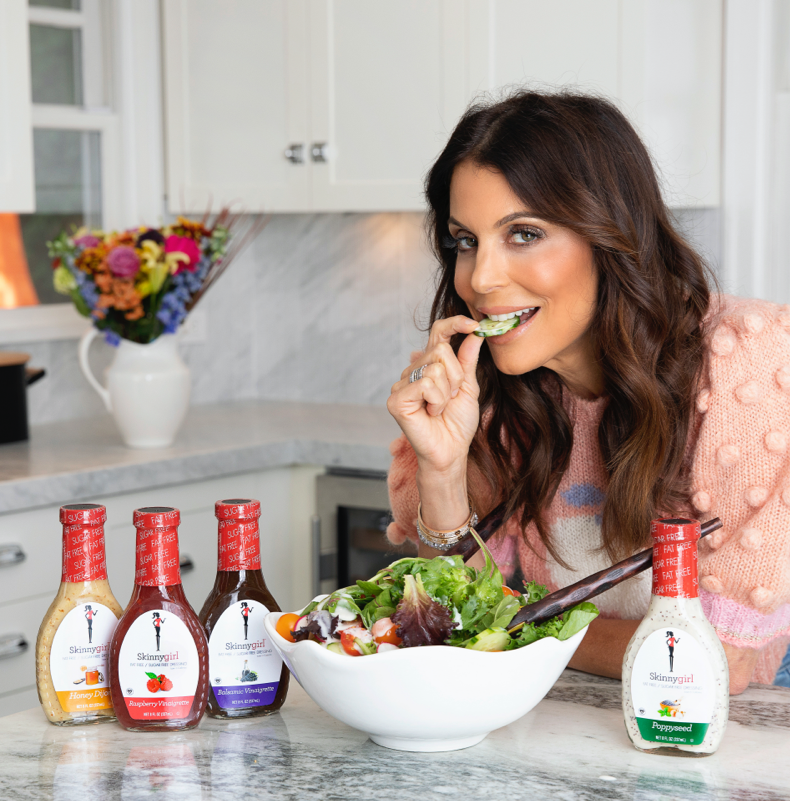
Caption: Skinnygirl survived the margarita headline and kept selling as a consumer brand, which tells you the trademark mattered as much as the tequila once did. Image from Skinnygirl Products.
That second piece is where many celebrity founders fall asleep at the wheel. They sell the shiny thing, then discover they sold the name, the advantage, and tomorrow morning. Frankel did the opposite. In a 2022 Inc. profile, she explained that when Beam wanted her to promote later Skinnygirl alcohol launches, her response was simple, they owned the brand in that category, but they had to pay if they wanted her to market it. That is not just savvy. That is contract language with a pulse.
The current Skinnygirl site shows the brand still active in dressings, preserves, and snacks. ABC’s official Shark Tank bio also lists B Real Productions, her syndicated talk show, and BStrong. More recent interviews describe newer advisory and investment roles, including beauty and wellness stakes that rely on her audience as much as her cash.
Investment Philosophy
Frankel’s investing style is more operator than mascot. She does not talk like someone enchanted by pitch-deck theater. She talks like a founder who still remembers unpaid bills and bad partners. In Inc., she said every deal has to clear two bars, she needs to enjoy the work and she needs to drive most of the decisions. That is not ego for its own sake. It is her way of avoiding dead partnerships that chew time, money, and mood all at once.
“If things are not enjoyable to me, no matter how much money I’m making, I don’t want to be doing that.” , Bethenny Frankel, *Inc.*
Her more recent comments sharpen that view. In a 2026 conversation with Emma Grede, Frankel said, “I just execute ideas,” and later called trust and attention “the two most valuable assets right now in media.” There is a lot packed into that. She is not chasing product novelty for its own sake. She is looking for a brand she can credibly speak for, a founder who can keep up, and deal terms that leave her with room to stay herself. It is part investing, part editorial filter, part refusal to become a hostage in her own business.
That is also why she tends to favor products with simple retail logic. Tea with attitude. Portable waxing strips. Kids’ meals that spare parents one more dinner negotiation. Frankel’s sweet spot is clear consumer translation. If she has to explain the thing for too long, she starts to look at it the way a New Yorker looks at a menu with twelve pages, slightly suspicious and ready to leave.
On Shark Tank
Bethenny Frankel first appeared on Shark Tank in Season 9, Episode 8, which aired on November 5, 2017. Rotten Tomatoes lists her as the guest shark for that episode, and SharkTankDB records two on-air investments from that night: Snarky Tea at $75,000 for 25%, alongside Kevin O’Leary, and No Mo-Stach at $50,000 for 12.5%, alongside Lori Greiner. That totals $125,000 across two deals, both in categories that fit her brand instinct almost too neatly.
She also returned for the Season 9 finale on February 25, 2018. Rotten Tomatoes lists her on the judging panel for Episode 24. Then came a more consequential return in Season 10, when coverage of Yumble’s December 2018 episode showed Frankel making a solo offer of $500,000 for 6%.
“No, I’m going to talk also! I’d like to say something, Kevin!” , Bethenny Frankel, quoted in *The Forward* on her Yumble appearance
That quote works because it captures the main thing Frankel brought to the Tank. She was not trying to out-Kevin Kevin O’Leary, but she also was not interested in waiting her turn while the men translated a brand for her. She knew consumer goods, especially products sold to women, and she usually argued from that ground. No Mo-Stach was a perfect example. The pitch asked for $100,000 for 25%, which implied a $400,000 valuation. Frankel and Greiner together paid $100,000 for 35%, plus a $1-per-unit royalty until the investment was repaid. On simple post-money math, that equity slice valued the company at about $285,714. That is a steep haircut, but not an irrational one for a portable beauty product that still needed distribution muscle.
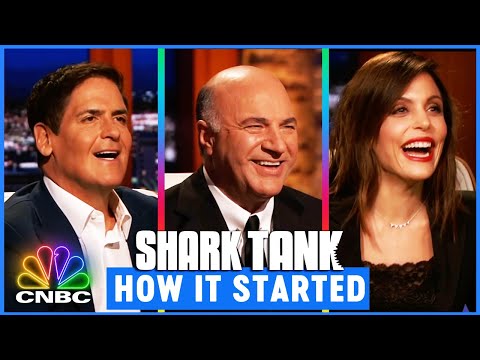
Caption: Frankel and Kevin O’Leary turned snark into actual deal flow, which is harder than turning it into television. Image via CNBC Ambition on YouTube.
The post-show record is mixed in a normal Shark Tank way. Snarky Tea’s own About page says the company is still in business and still celebrating its deal with O’Leary and Frankel. No Mo-Stache’s official story page says the brand is now in more than 10,000 retail locations worldwide, including Target and Ulta Beauty. Yumble went the other way. After Frankel’s on-air investment, the company later raised outside capital, then was sold in 2022 before the buyer also went under. That is a useful correction to the myth that a shark’s check is a magic spell.
One more thing is worth saying plainly. Frankel was better on Shark Tank than some people expected because she did not treat it like a cameo. She treated it like a buying meeting with cameras.
Online Presence
Frankel’s online presence is now a business line of its own. Her official site pushes shopping, podcasting, beauty picks, business commentary, and BStrong in the same mix. That blend sounds messy until you realize the common ingredient is Bethenny herself, blunt, fast, skeptical, and willing to make a product recommendation in pajamas if that is the day. In the Emma Grede interview, she explained that people do not have to like her, but they do trust her.
She has built an audience that follows her across social clips, product reviews, podcasts, live commentary, and cause-based work. It is less a fan club than a very large focus group that keeps showing up because she says what she thinks and usually gets to the price point before everyone else has finished flattering the packaging.
What People Are Saying
Frankel’s peers tend to talk about her the same way good athletes talk about players they would rather not guard, with a little admiration and a little professional fatigue. Emma Grede’s introduction to their 2026 interview is one example. She praised Frankel for coming with the numbers and the deal structures, not just the personality.
“Bethenny came with the numbers. She came with the deal structures.” , Emma Grede, *Aspire with Emma Grede*
That rings true because it lines up with how Frankel has been covered for years. Even skeptical profiles usually end up making the same concession. The woman can sell. For a nearby comparison inside the Tank, look at our [Alex Rodriguez profile](https://thesharkmonitor.com/alex-rodriguez-net-worth-shark-tank-and-the-a-rod-corp-empire-after-baseball/). Rodriguez sold discipline. Frankel sells conviction, which is riskier and louder.
Net Worth
Bethenny Frankel’s most cited public net worth estimate in 2026 is about $80 million. SharkTankDB uses that figure from Celebrity Net Worth, and it fits the broad shape of the public record even if nobody outside Frankel’s accountants gets the clean final number.
The main blocks are visible. Start with the roughly $100 million Skinnygirl liquor sale value reported by Forbes. Add years of licensing income tied to the categories she kept. Add media paydays from television, podcasting, branded partnerships, and her digital commerce machine. Add real estate wins. Then subtract taxes, overhead, and legal costs. You still land in serious wealth.
FAQ
What is Bethenny Frankel’s net worth in 2026?
Public estimates usually place her around $80 million. That figure is not audited in public, but it lines up with the Skinnygirl sale, later licensing income, media work, and real estate activity. It is a reasonable estimate, not a sworn deposition.
How did Bethenny Frankel make her money?
Skinnygirl did the heavy lifting, first through the margarita launch and then through the 2011 Beam deal. The smarter second act came from keeping brand rights outside the alcohol lane, which let her license Skinnygirl into more categories. She also earns from media, investments, and newer digital commerce work.
What companies did Bethenny Frankel invest in on Shark Tank?
Her Season 9 on-air deals were Snarky Tea and No Mo-Stach. She later made a solo on-air deal for Yumble in Season 10. The outcomes were mixed, which is normal for the show.
What season was Bethenny Frankel on Shark Tank?
She first appeared in Season 9, Episode 8, returned for the Season 9 finale, and later appeared again in Season 10. Her first run aired in 2017, and her Yumble deal aired in December 2018. She was a guest shark, not a permanent panel member.
Did Bethenny Frankel become a billionaire from Skinnygirl?
No. The sale made her very wealthy, but public estimates still place her far below billionaire territory. What she did build was more instructive than a billionaire headline, a durable licensing and media machine from one very strong brand decision.
Final Take
Bethenny Frankel was a sharper guest shark than the caricature suggests. The TV persona can make people assume the business record is mostly noise. It is not. She understood ownership, category fit, and consumer language before a lot of celebrity founders learned to stop calling every scented candle a legacy brand.
My verdict is simple. Frankel mattered on Shark Tank because she could smell the difference between a product with an audience and a product with a cute founder. She was strongest when the pitch sat near branding, food, beauty, or female household spending, the places where she had paid full tuition with her own money first. She is not warm milk. She is espresso. That can be annoying if you want everyone on television to smile and clap. It is also why she was useful.
[Article last updated: July 2026. Deal terms and company status reflect publicly available information at time of publication.]

Sebastyen
Sebastyen Wolf is our Editor-in-Chief. He is an analyst and entrepreneur with experience working alongside early-stage founders, launching online ventures, and studying the data patterns that shape successful companies. A fan of Shark Tank since Season 1, he now focuses on translating the show’s most valuable insights into clear, practical takeaways for readers.