Shark Tank Season 16, Episode 19 Recap: Mark Cuban Backs ESAI as On-Air Deals Meet Reality
A handshake on Shark Tank is not an investment. Episode 19 made that distinction plain: ESAI left with Mark Cuban’s on-air agreement, while Morrison Outdoors accepted an on-air offer that later fell apart in due diligence. The episode brought four very different businesses to the panel, from college-admissions software to a persimmon soap, candy-making experiences, and camping gear for young families.
| Participant | Asked | Received on air | Deal status |
|---|---|---|---|
| ESAI | $250,000 for 5% | $250,000 for 5%, plus 2.5% in advisor shares | On-air agreement with Mark Cuban |
| Mirai Clinical | $500,000 for 5% | No deal | No deal |
| Cricket’s Candy Creations | $275,000 for 10% | No deal | No deal |
| Morrison Outdoors | $300,000 for 10% | $300,000 for 20% | On-air agreement with Mark Cuban and Barbara Corcoran; did not close |
ESAI gets Cuban’s vote of confidence
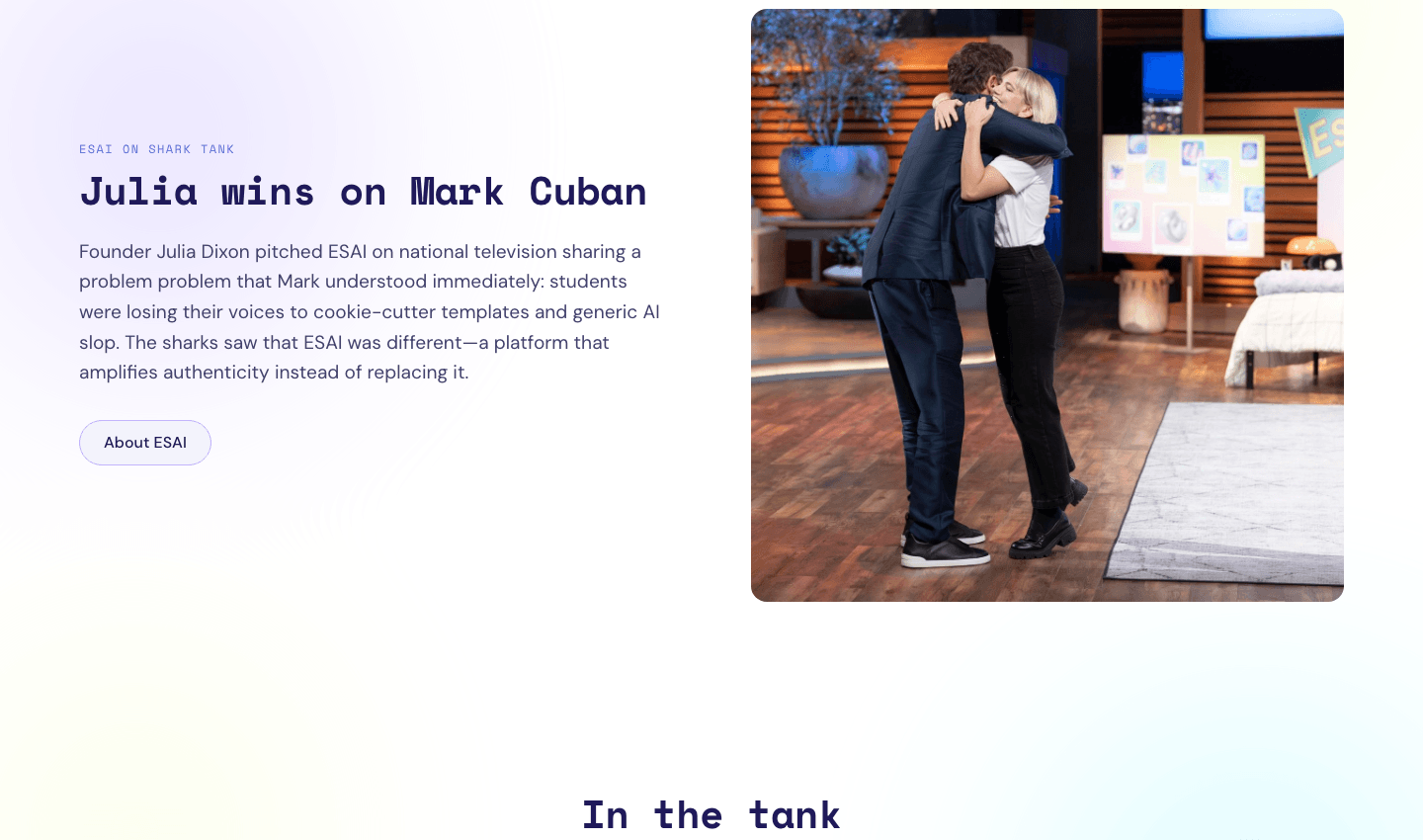
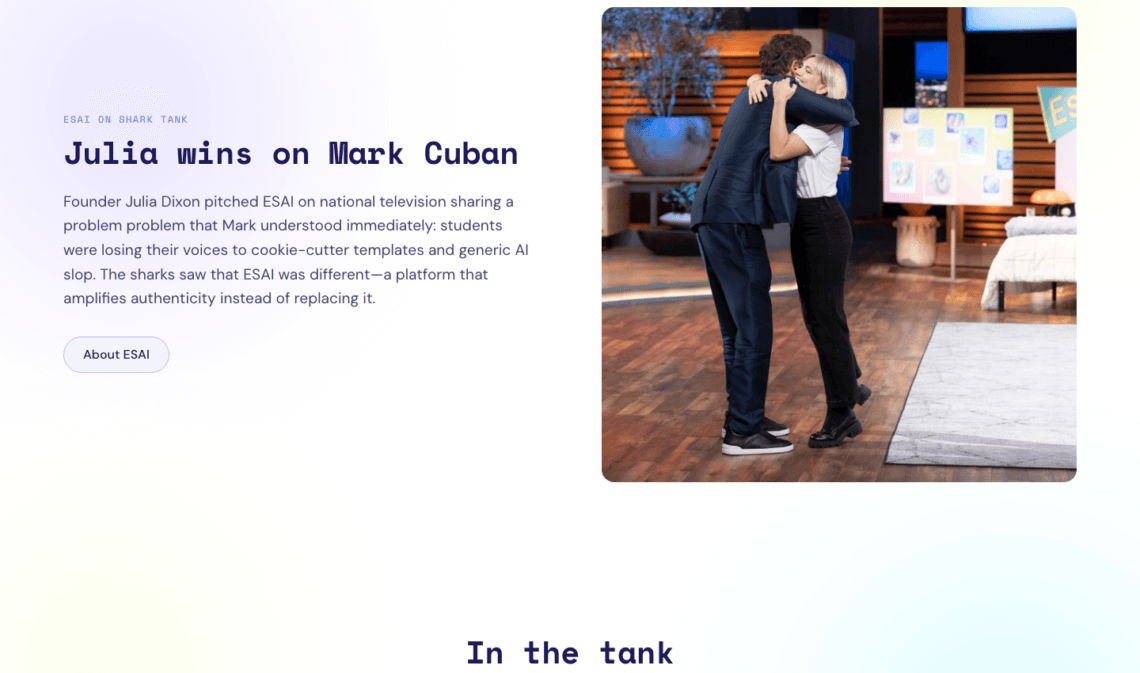
Julia Dixon pitched ESAI as an ethical AI platform meant to help students tell their stories for college applications and beyond. ABC’s Episode 19 guide describes tools for essays, school-specific storytelling, and profiles that can be reused for scholarships, internships, and jobs.
Dixon asked for $250,000 for 5%. Cuban and Kevin O’Leary both made offers, and Dixon reached an on-air agreement with Cuban for $250,000 for 5%, plus 2.5% in advisor shares through a follow-on agreement, according to ESAI’s announcement. Cuban said, “I invested because ESAI is solving a real problem. This platform doesn’t spit out essays. It helps students figure out who they are and how to show that to the world. That’s powerful, and personal.”
Mirai Clinical finds a bigger audience without a deal
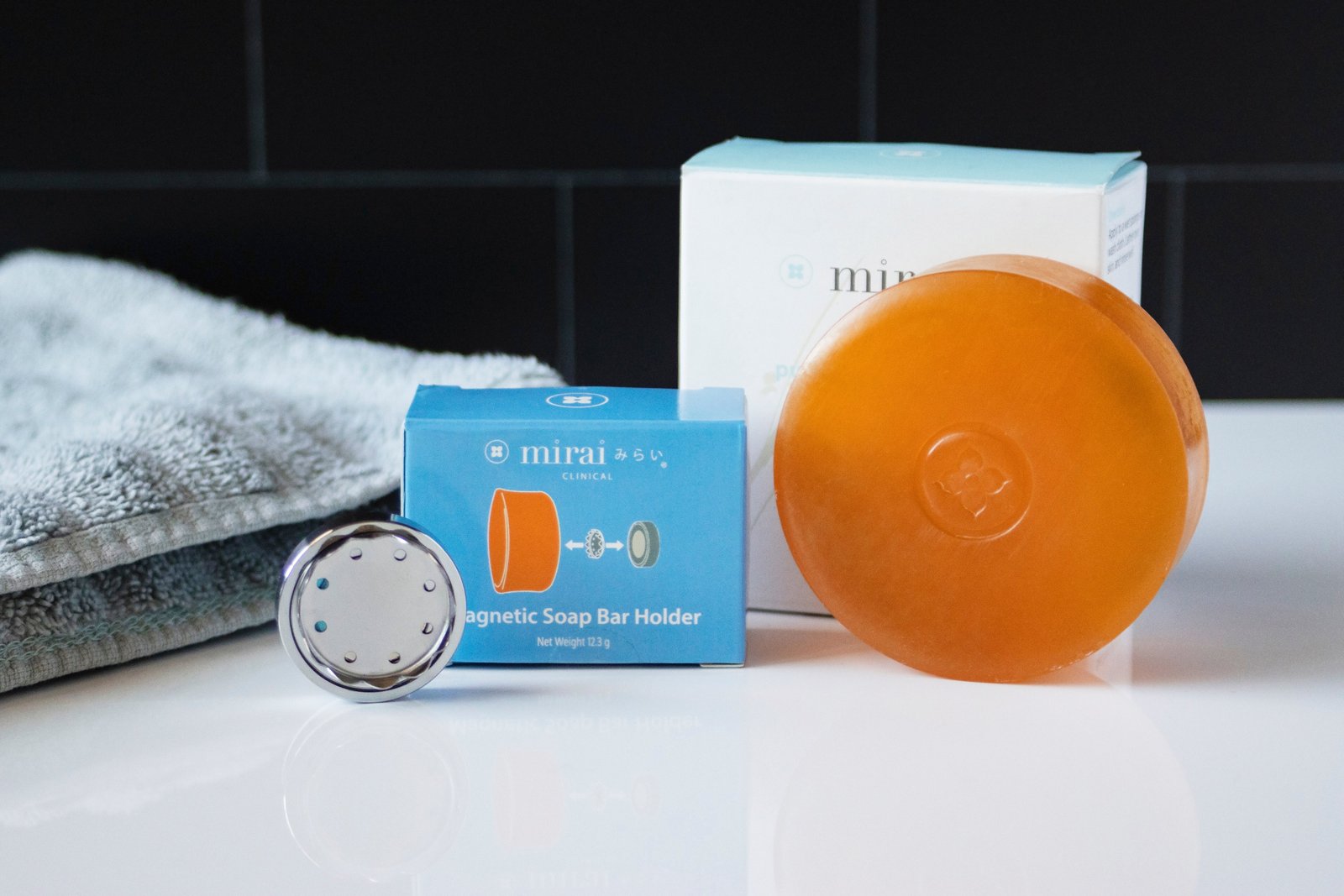
Koko Hayashi brought Mirai Clinical’s Japanese persimmon-based deodorizing products to the panel. She asked for $500,000 for 5%, but none of the Sharks invested, as reported by Yahoo Shopping. ABC identifies Mirai Clinical as one of Episode 19’s four businesses and describes its persimmon products as a solution for nonenal and other body odors.
The absence of a deal did not end the pitch’s usefulness. Hayashi later told Beauty Independent that traffic to the company’s site rose 100 times immediately after the episode aired.
Cricket’s Candy Creations cannot turn sales into a clear story
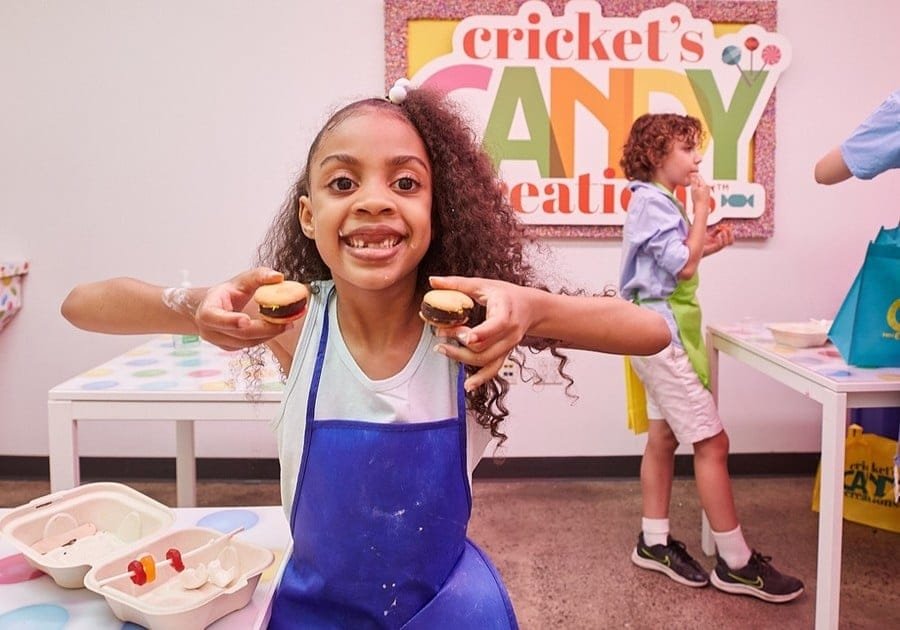
Cricket’s Candy Creations combines an in-person candy-crafting experience in New York City with at-home kits. ABC lists the edible candy art, the take-home kits, and the company’s franchise ambitions among the Episode 19 businesses.
Cricket Azima asked for $275,000 for 10%. The Sharks did not invest, according to Sportskeeda’s episode recap. The result left a simple lesson from a lively pitch: sales are only part of the story when investors are trying to understand how a business scales.
Morrison Outdoors gets a deal that does not close

Tavis Malcolm asked for $300,000 for 10% of Morrison Outdoors, which sells sleeping bags for babies, toddlers, and adults. Barbara Corcoran and Mark Cuban offered a combined $300,000 for 20%, and Malcolm accepted on air, CNBC reported.
Then the story took its turn off camera. Malcolm told KOAT that the deal fell apart after months of due diligence. Episode 19’s neatest television moment, it turns out, was not the final business outcome.
That is the episode’s through line. ESAI’s agreement, Mirai’s exposure, Cricket’s unanswered scale question, and Morrison’s post-show reversal all show what a short pitch can reveal, and what it cannot settle.
Sources
ABC’s Episode 19 business guide; ESAI’s announcement; Yahoo Shopping’s Mirai Clinical report; Beauty Independent’s Mirai Clinical interview; Sportskeeda’s episode recap; CNBC’s Morrison Outdoors report; and KOAT’s post-filming update.

Sebastyen
Sebastyen Wolf is our Editor-in-Chief. He is an analyst and entrepreneur with experience working alongside early-stage founders, launching online ventures, and studying the data patterns that shape successful companies. A fan of Shark Tank since Season 1, he now focuses on translating the show’s most valuable insights into clear, practical takeaways for readers.