Economists Warn of 2026 Recession Risks from Tariffs, Labor Shortages, and AI
Economists Warn of 2026 Recession Risks from Tariffs, Labor Shortages, and AI

The Facts
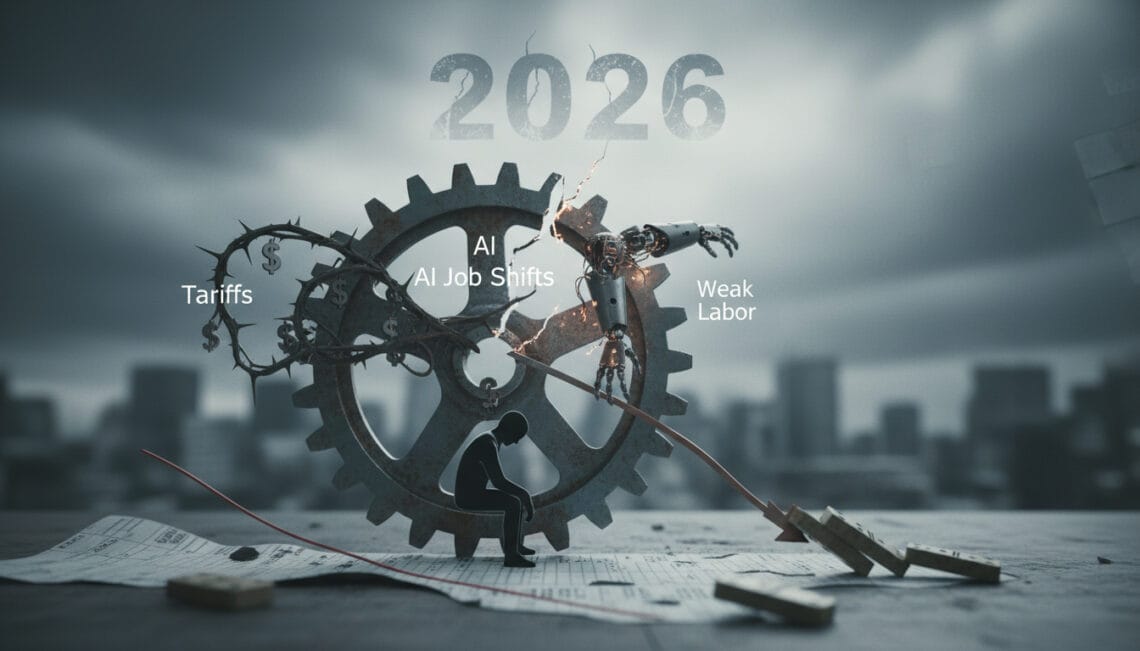
Economist Joel Naroff says a 2026 recession seems increasingly likely. He points to tariffs sustaining high inflation, immigration policies slowing population and labor growth, the Fed’s bind between rates and slowdowns, AI pausing hiring then sparking layoffs, and uncertain global ties like trade wars with China (Philadelphia Inquirer, Dec. 12, 2025).
Stifel gives recession 25% odds, forecasting a fast 20% S&P 500 drop if it hits, due to rising unemployment, scarce jobs, and high valuations (Business Insider, Dec. 12).
Georgia experts see slowing growth from tariff and immigration uncertainty, with high earners driving spending in a K-shaped economy (Yahoo Finance, Dec. 12).
Editorial Perspective
Kevin O’Leary hammers cash flow and consumer demand in deals. These warnings highlight falling confidence outside top earners, labor shortages hiking wages and costs. Aspiring Tank pitchers face stiffer tests on margins and timing. No direct Shark Tank business link, but this shapes what Sharks eye in pitches—resilient revenue amid macro fear. Recession odds could shift focus to royalties over equity bets.
What Does This Means
Startups scrape for capital as investors hedge with defensives like staples ETFs. Entrepreneurs batten down: trim burn rates, chase cash-positive paths before layoffs hit. Families feel it in wallets—job hunts lengthen, groceries stay pricey, spending splits by income. Matters because consumer pullback (68% of GDP) ripples to small biz hiring and growth, testing resilience now.

Sebastyen
Sebastyen Wolf is our Editor-in-Chief. He is an analyst and entrepreneur with experience working alongside early-stage founders, launching online ventures, and studying the data patterns that shape successful companies. A fan of Shark Tank since Season 1, he now focuses on translating the show’s most valuable insights into clear, practical takeaways for readers.