Fed Rate Cut Odds Top 80% for December: Impacts on Mortgages and Your Finances
Fed Rate Cut Odds Top 80% for December: Impacts on Mortgages and Your Finances
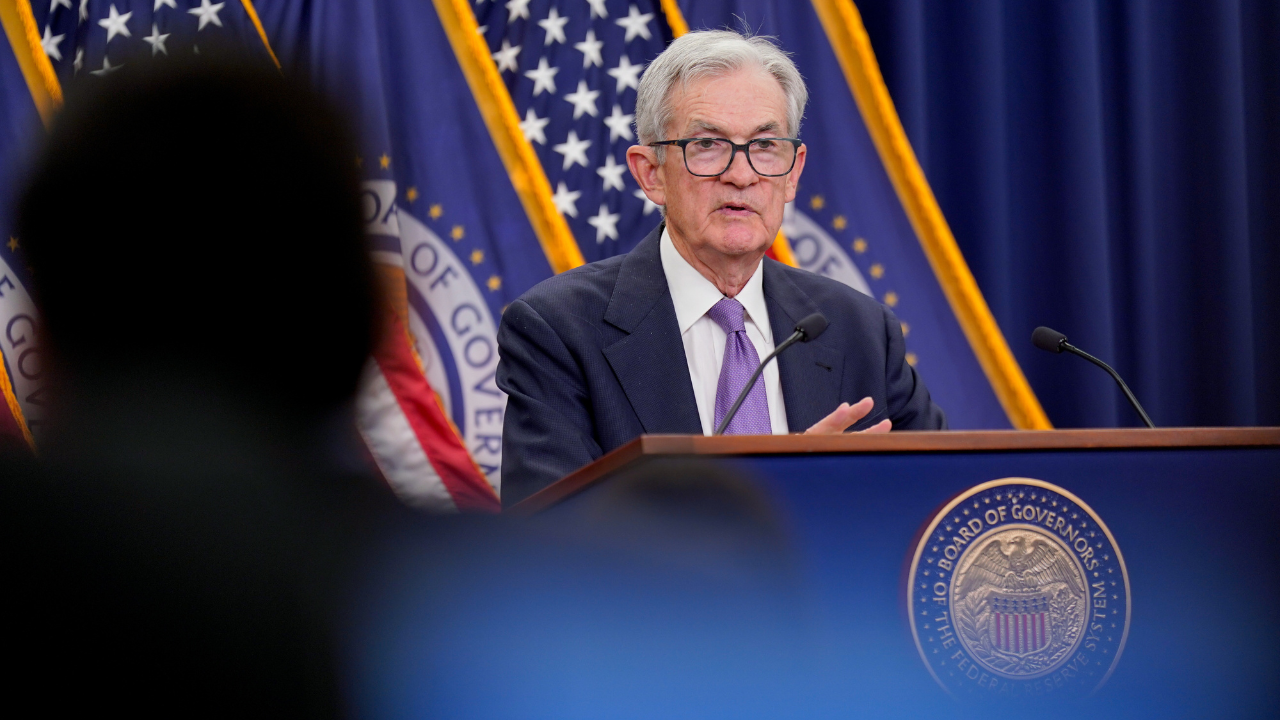
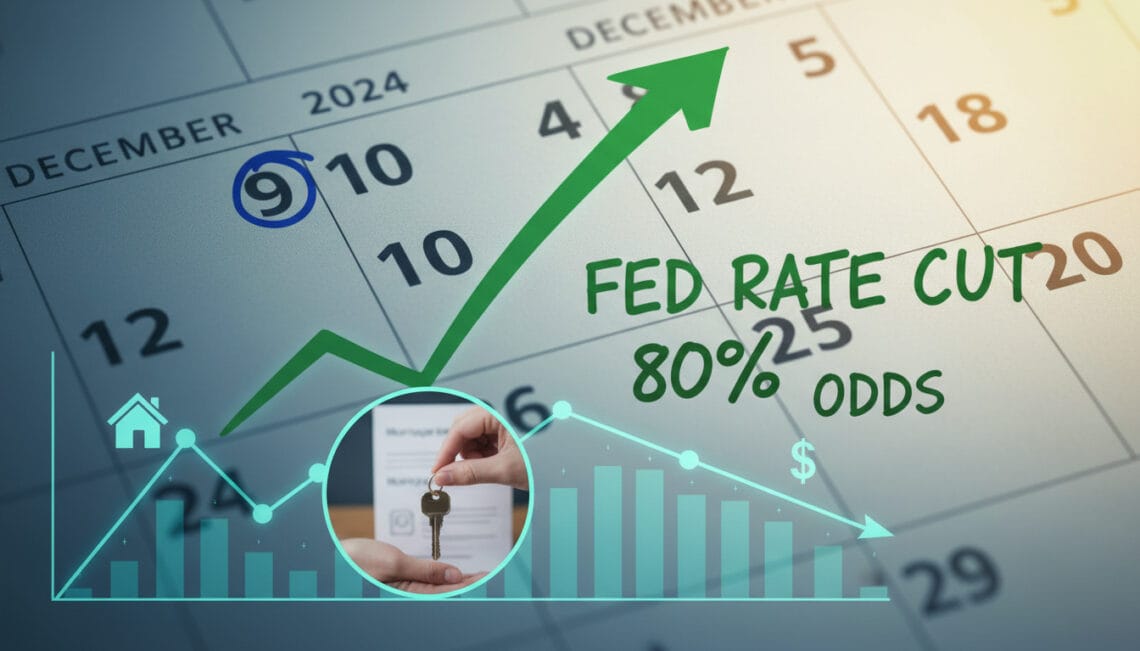
Traders see an over 80% chance the Federal Reserve cuts rates by 25 basis points at its December 9-10 meeting. Platforms like Polymarket logged $171 million in bets, while Kalshi hit $15.8 million, according to a Fox Business report. The CME FedWatch Tool puts odds at 83%, as noted by Yahoo Finance.
Recent Signals Pushing the Odds Higher
New York Fed President John Williams, San Francisco Fed President Mary Daly, and Governor Christopher Waller all indicated support for a December cut in recent speeches. Job losses at private employers picked up speed, per ADP data released Tuesday. J.P. Morgan now expects a 25-basis-point December cut. Yahoo Finance points to these as key factors driving expectations.
Odds flipped fast—from split chances last week to near-certainty now. An Investopedia analysis pegged it at 85% as of November 25, blaming mixed inflation and job data, plus a government shutdown delaying stats.
How This Hits Mortgage Rates
The average 30-year mortgage rate fell to 6.23% this week from 6.26%, with 15-year rates at 5.51% down from 5.54%, Freddie Mac data shows via Yahoo Finance. They’re near year-to-date lows of 6.2%-6.3% and a 13-month bottom of 6.35% in October, per Investopedia.
The 10-year Treasury yield, which mortgages track closely, dropped as cut bets rose. Yet Fed moves don’t directly set mortgage rates—they follow bond market views on inflation and growth. After September and October cuts, rates actually climbed. A December cut might push them toward 2025 lows, says Realtor.com economist Jake Krimmel, but forecasts from Fannie Mae see low-6% through 2025 end, dipping under 6% late 2026.
- Housing perks: Pending home sales up 1.9% in October (National Association of Realtors); purchase apps rose 8% last week (Mortgage Bankers Association).
- Buyer tip: Lock if ready, refinance later if rates drop more—focus on credit, income, and down payment first.
What It Means for Consumers and Investors
Lower Fed rates ease short-term borrowing like credit cards and auto loans, while savings yields may fall. For mortgages, any dip helps affordability amid high housing costs—Trump blames Fed Chair Powell for slow cuts, with his term ending May 2026. Reports name Kevin Hassett as a potential replacement favoring lower rates.
Prediction markets turn public views into odds, signaling sentiment on Fed policy. Homebuyers see tailwinds; investors watch Treasuries and stocks react to cuts. Univest’s Christopher Carter advises buying now over waiting—rates stay range-bound.

Sebastyen
Sebastyen Wolf is our Editor-in-Chief. He is an analyst and entrepreneur with experience working alongside early-stage founders, launching online ventures, and studying the data patterns that shape successful companies. A fan of Shark Tank since Season 1, he now focuses on translating the show’s most valuable insights into clear, practical takeaways for readers.