Trump’s $12 Billion Farm Aid: How the Payments Work and Who’s Paying
Trump’s $12 Billion Farm Aid: How the Payments Work and Who’s Paying

President Trump announced a $12 billion aid package for American farmers on December 8, 2025, the New York Times reports, targeting those hit by low crop prices and trade tensions. Reuters says the bulk goes to one-time payments for major row crops like soybeans, corn, and sorghum. It’s pitched as a short-term fix until broader trade policies kick in.
The Breakdown of the Money
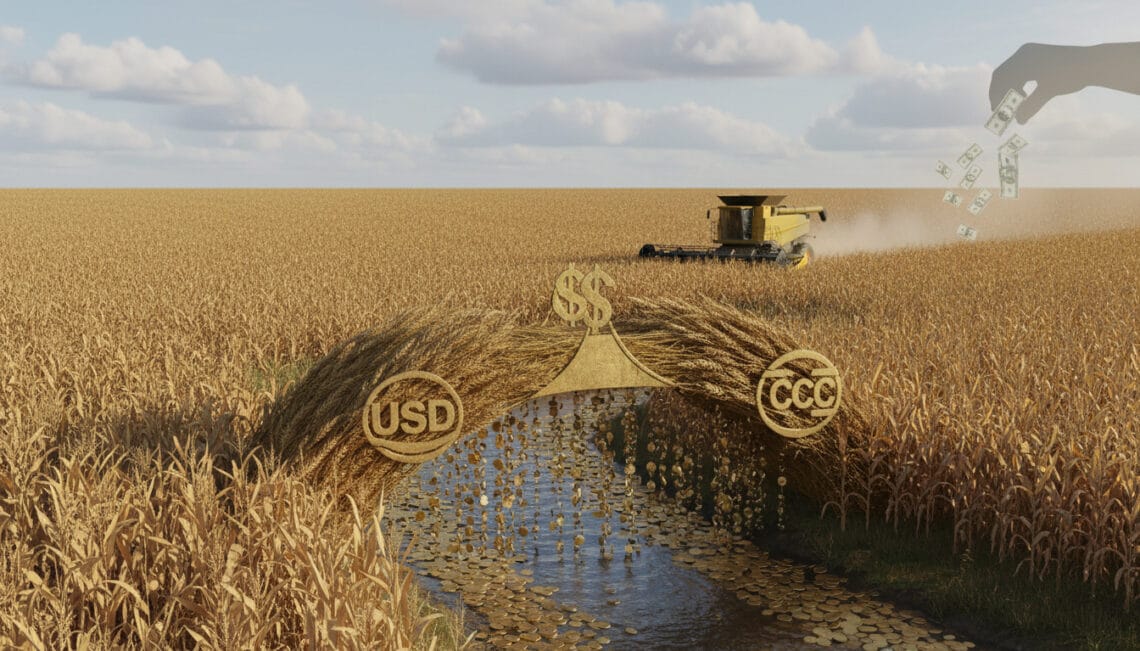
Out of the $12 billion total, $11 billion funds one-time payments to farmers growing row crops. The USDA calls this the Farmer Bridge Assistance program, using the Commodity Credit Corporation to get cash out fast. The Hill and BBC report it covers corn, cotton, sorghum, soybeans, rice, cattle, wheat, and potatoes. The remaining $1 billion goes to specialty crops not in that group, helping officials gauge needs there.
These payments aim to cover this year’s harvest marketing and next year’s planting. Farmers at the White House event, including ones from Indiana and Illinois, said the cash would clear bills, buy seeds, chemicals, and replace gear like tractors they’ve delayed.
Funding from Tariffs
The cash comes straight from tariff revenues. Trump said at the announcement it’s a “small portion” of the hundreds of billions collected. NPR notes it’s via the Commodity Credit Corporation, same as aid packages in his first term totaling $22 billion in 2019 and $46 billion in 2020 (which mixed trade and Covid relief). ABC News confirms the tariff link, with Trump framing it as direct support from his trade policies.
Why Now? Trade Hits and Farmer Views
Farmers face falling prices for row crops while input costs like fertilizer, seeds, and machinery rise—tariffs add to those machinery costs, per John Deere’s $600 million hit estimate. China, once buying $12.64 billion in U.S. soybeans yearly, slowed purchases amid disputes. A recent Xi meeting deal calls for 12 million metric tons by end-2025 and 25 million annually after, but they’ve hit just a quarter so far.
- Indiana farmer Mark Legan: Helps the bottom line but doesn’t fix high production costs or shrunk exports.
- Illinois farmer Brad Smith: No one loves it, but they’ll take it to pay bills and plant next year. Past aid often went to bigger farms, not those hurting most.
Trump said farmers want a level field, not handouts, and more aid depends on markets. Agriculture Secretary Brooke Rollins and Treasury Secretary Scott Bessent joined him, stressing it’s a bridge to better times. Trump also threatened 5% tariffs on Mexico over water treaty issues affecting U.S. farmers.
This setup worked before via the same corporation, making it feasible short-term. But farmers point out it doesn’t erase trade gaps or cost pressures.

Sebastyen
Sebastyen Wolf is our Editor-in-Chief. He is an analyst and entrepreneur with experience working alongside early-stage founders, launching online ventures, and studying the data patterns that shape successful companies. A fan of Shark Tank since Season 1, he now focuses on translating the show’s most valuable insights into clear, practical takeaways for readers.