Shark Tank Season 17, Episode 1: Three deals and one costly swing
Three companies left with reported deals, while a machine that could reach 40 mph on water left without one. The contrast made a tidy opening lesson: a spectacular product is not automatically a compelling investment. Shark Tank opened Season 17 on September 24, 2025, with four pitches that had almost nothing in common except the pressure of putting a price on a business in public. ABC Sharkary
Image courtesy of abc.com
A premiere built on contrasts
ABC introduced the lineup in one compact sentence: “In the Season 17 premiere, entrepreneurs pitch expressive eco-friendly socks, shock-absorbing shoes, a high-tech jet ski and a line of low-alcohol beer.” ABC The description is brisk but it captures the episode’s split personality: two businesses sold familiar daily-use goods, one asked viewers to imagine a different kind of ride on the water, and the last sold a small indulgence with a very particular promise.
Sharkary records deals for Doublesoul, Z-CoiL, and Dad Strength Brewing, while Pelagion is listed without one. Sharkary That is the right level of certainty here: these are reported on-air outcomes, not a guarantee that every agreement closed after filming. The reported terms tell the rest of the story clearly enough. Doublesoul’s deal bought a 10 percent minority stake at $500,000. Z-CoiL’s bought half the company at $250,000. Dad Strength gave up 12 percent for $300,000. Those three numbers show how differently the Sharks priced each business, and the gap between Doublesoul’s 10 percent and Z-CoiL’s 50 percent is the episode’s sharpest editorial without a single word of commentary.
Doublesoul had proof before the pitch
Doublesoul arrived with the kind of figure that shifts the entire feel of a consumer pitch. ABC reported that the sock company, founded in 2022, had already sold more than 600,000 pairs to thousands of U.S. customers by the time of the episode. ABC The brand combines technical comfort features with colorful, expressive designs and presents its production as sustainable and ethical, which means it was asking the Sharks to buy both a product and a story.
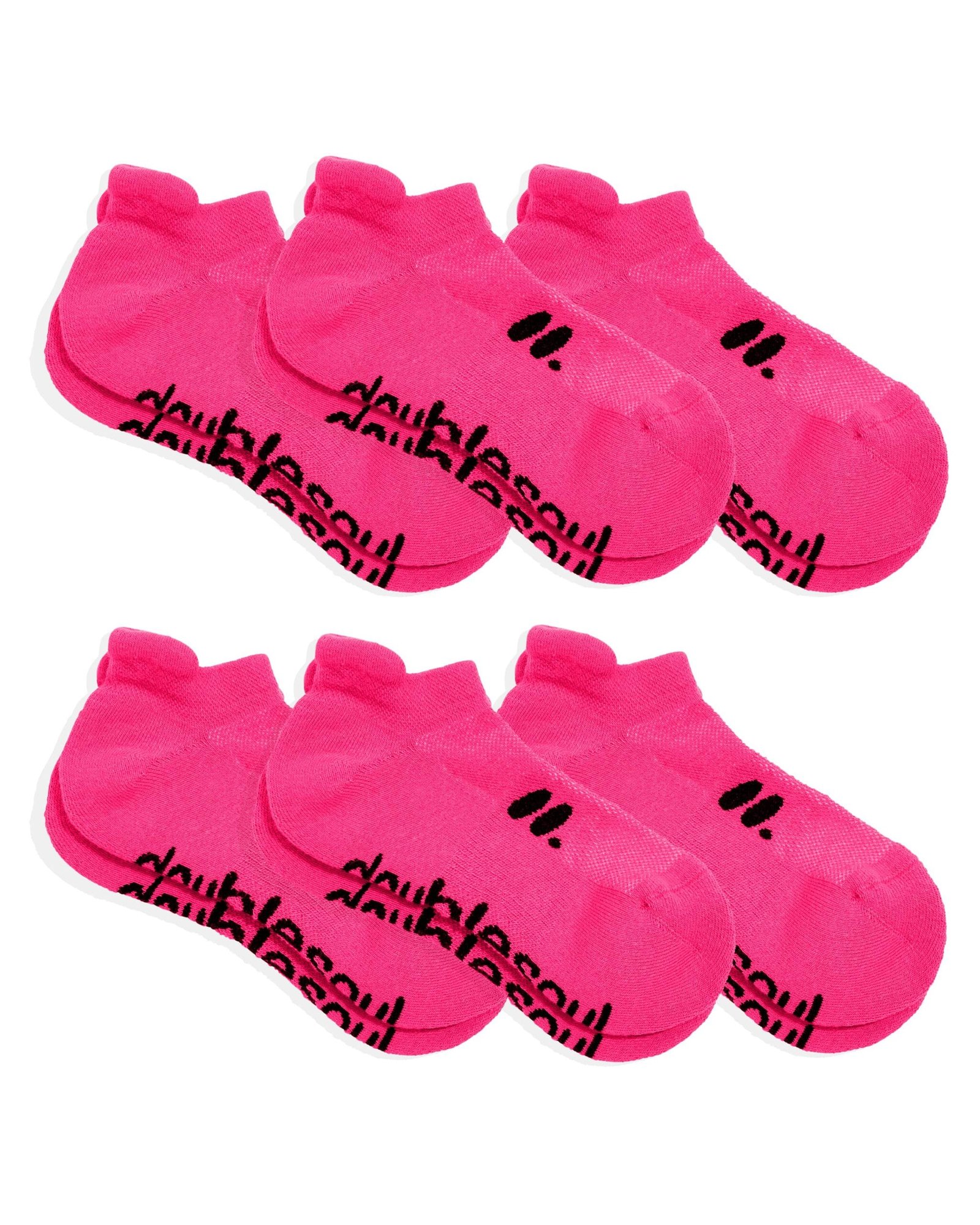
Image courtesy of doublesoul.co
That sales number does not answer every question a buyer might have, but it shifts the conversation away from whether strangers will pay for the product at all. Socks are easy to understand and hard to make memorable. Doublesoul’s pitch had to make its design language and its customer response feel like more than a novelty, and the reported deal suggests it cleared that bar on the show. Sharkary records a $500,000 agreement for 10 percent, which is a substantial vote for a small slice of the company. Sharkary Away from the cameras, the real work would be keeping repeat buyers interested after the first colorful pair is out of the package. Whether the on-air agreement later closed has not been independently verified.
Z-CoiL sold a visible answer to a physical problem
Z-CoiL makes spring-supported footwear, and it does not hide the central idea. ABC describes the shoe as a shock absorber that can reduce the impact of each step by up to 50 percent. ABC That claim puts the product’s argument exactly where it belongs: under the wearer’s heel, not in a vague lifestyle pitch.
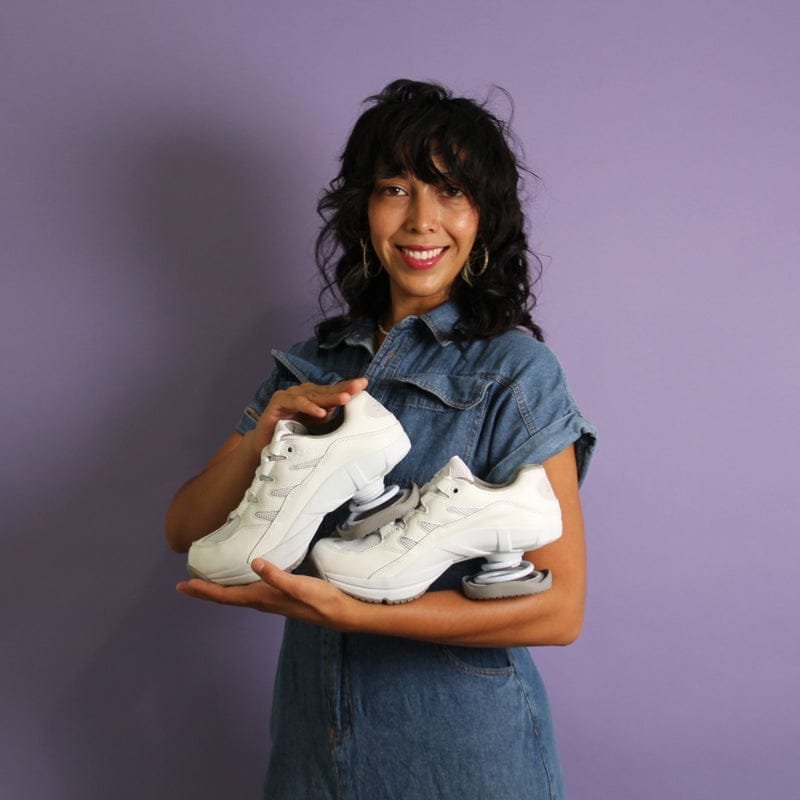
Image courtesy of zcoil.com
A shoe with a distinctive mechanical feature has a clean television advantage. A viewer can see what makes it different before anyone starts explaining it. The harder question is whether that visual difference makes people curious or makes them hesitate, and that tension is native to the product itself. A specialized shoe cannot rely on slogans for long; it has to earn its place one step at a time. Sharkary lists a $250,000 deal for 50 percent of Z-CoiL, and half the equity next to Doublesoul’s 10 percent is the episode’s clearest reminder that a product and a business do not get valued the same way. Sharkary The terms were reported on air and do not independently establish a final post-filming transaction.
Pelagion reached for the far horizon
Pelagion’s HydroBlade was the episode’s most unusual object. ABC called it a steerable stand-up electric hydrofoil with zero-emission operation, a top speed of up to 40 mph, and a range of up to four hours on a charge. ABC That is a long way from socks or beer. It is a piece of recreation hardware asking people to picture speed, water, and silence all at once.
Video: “The first stand-up electric hydrofoil | Pelagion | Shark Tank,” courtesy of Entrepreneurship and Intellectual Property.
ABC’s own wording gives the machine its best scene: “The Hydroblade flies silently over waves at speeds up to 40 mph, lasting 4 hours on a single charge while powered by dual electric motors and advanced battery tech.” ABC It is a sentence built to make a viewer stop and stare. On a show that often rewards a simple object with an immediate use case, Pelagion offered the opposite kind of appeal. The product asked for imagination first, numbers second.
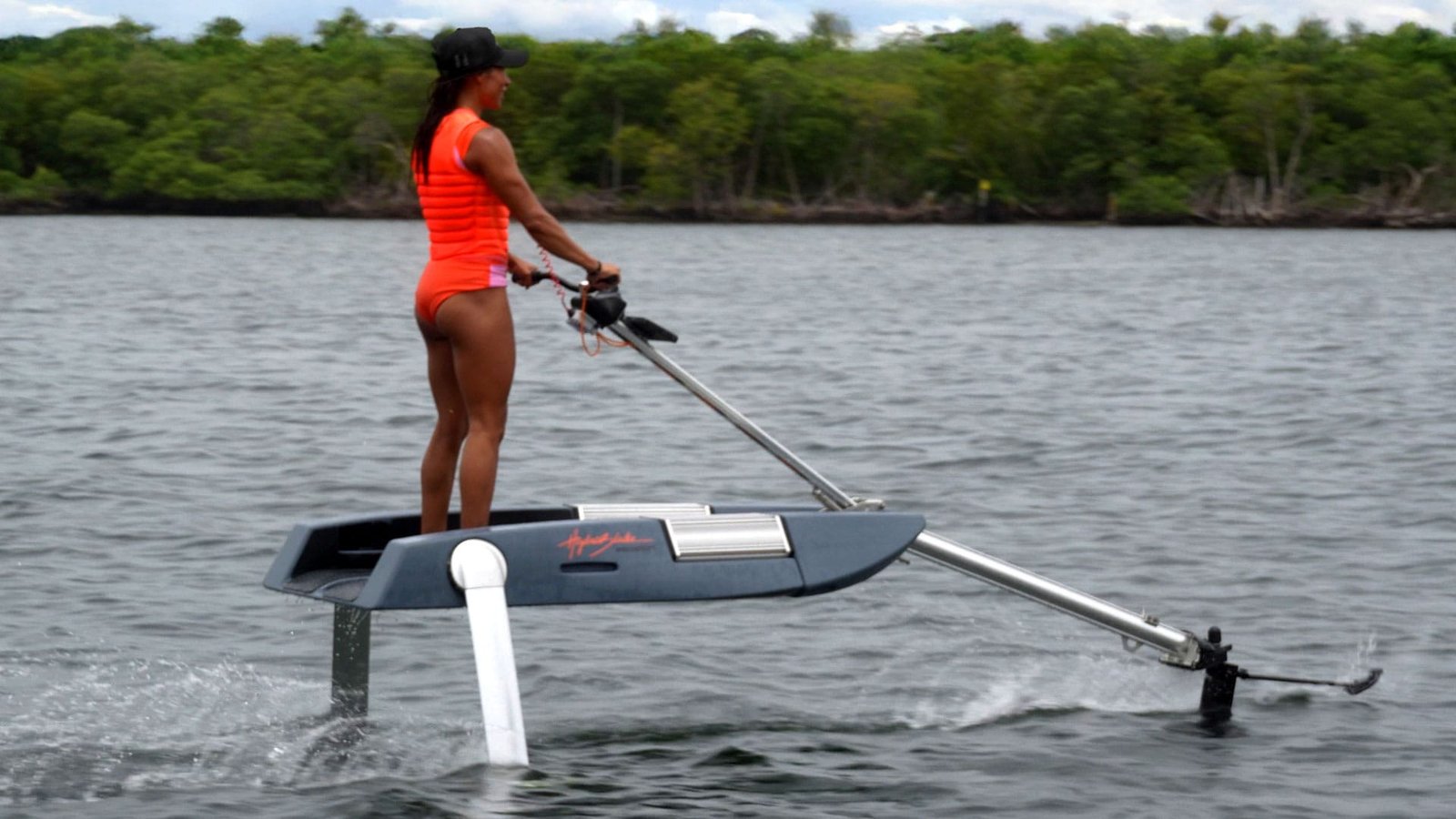
Image courtesy of pelagion.com
Sharkary lists Pelagion without a deal. Sharkary That result does not settle the question of whether the HydroBlade has an audience outside the Tank. It says only that, in this particular negotiation, the product’s promise did not produce a reported agreement. The absence sits sharply beside the specifications, which is exactly why the pitch lingers after the episode ends. Big equipment can make a big impression and still leave the Tank empty-handed.
Dad Strength made moderation the point
Dad Strength Brewing brought the most compact proposition of the night: low-alcohol craft beer. ABC lists the product at 2.9 percent alcohol by volume and 94 calories. ABC The company describes it in language that skips the polish entirely: “America’s first DAD-icated LOW ABV Craft beer. 2.9%, 94 Calories, 100% friggin’ delicious.” The line knows its audience and does not pretend otherwise.
Image courtesy of dadstrengthbrewing.com
There is a small human truth inside that pitch. Beer often sells a mood, and Dad Strength’s mood is restraint without self-denial. The name is playful, but the product numbers do the serious work. A viewer knows the alcohol level and calorie count before being asked to buy into the brand’s joke, and that transparency is its own kind of pitch. Sharkary reports a $300,000 deal for 12 percent of Dad Strength Brewing. Sharkary That deal did not require the show to turn low-alcohol beer into a social movement. It only had to persuade the Sharks that a clearly labeled product, aimed at a recognizable customer, could make room for itself on the shelf. As with each reported deal in this episode, no independent verification confirms the agreement closed after filming.
What the first episode left behind
The premiere offered no single rule for winning the Tank. What it did show is how quickly the terms shift when a business moves from an attractive product to an investment decision. Doublesoul had a substantial pre-show sales record. Z-CoiL had a visible product claim backed by a specific number. Dad Strength had tidy figures and a brand voice that arrived fully formed. Pelagion had speed, range, and the kind of machine that can own a television shot, and yet Sharkary lists no deal for it. ABC Sharkary
That made for a solid season opener: three companies with reported deals, and one left with the harder task of proving that a memorable machine can find its way without one.

Sebastyen
Sebastyen Wolf is our Editor-in-Chief. He is an analyst and entrepreneur with experience working alongside early-stage founders, launching online ventures, and studying the data patterns that shape successful companies. A fan of Shark Tank since Season 1, he now focuses on translating the show’s most valuable insights into clear, practical takeaways for readers.