Charles Barkley Net Worth, Shark Tank, and the Business of Being Charles Barkley
TL;DR:
– Charles Barkley built his post-basketball fortune around broadcasting, endorsements, and selective brand bets, then brought that blunt consumer instinct to Shark Tank
– His career origin story started in Leeds, Alabama, where a grandmother with iron discipline and a small-town gym gave him the chip he never quite set down
– Appeared as guest shark in Season 10 in 2018, where he backed Cave Shake, SubSafe, and Zorpads with a total of $375,000 in on-air deals
– Net worth is publicly estimated at about $90 million, built across NBA earnings, TNT money, endorsements, and ventures including Redmont Distilling
Contents
– [Early Life](#early-life)
– [The Business That Made Them](#the-business-that-made-them)
– [Investment Philosophy](#investment-philosophy)
– [On Shark Tank](#on-shark-tank)
– [Online Presence](#online-presence)
– [What People Are Saying](#what-people-are-saying)
– [Net Worth](#net-worth)
– [FAQ](#faq)
– [Final Take](#final-take)

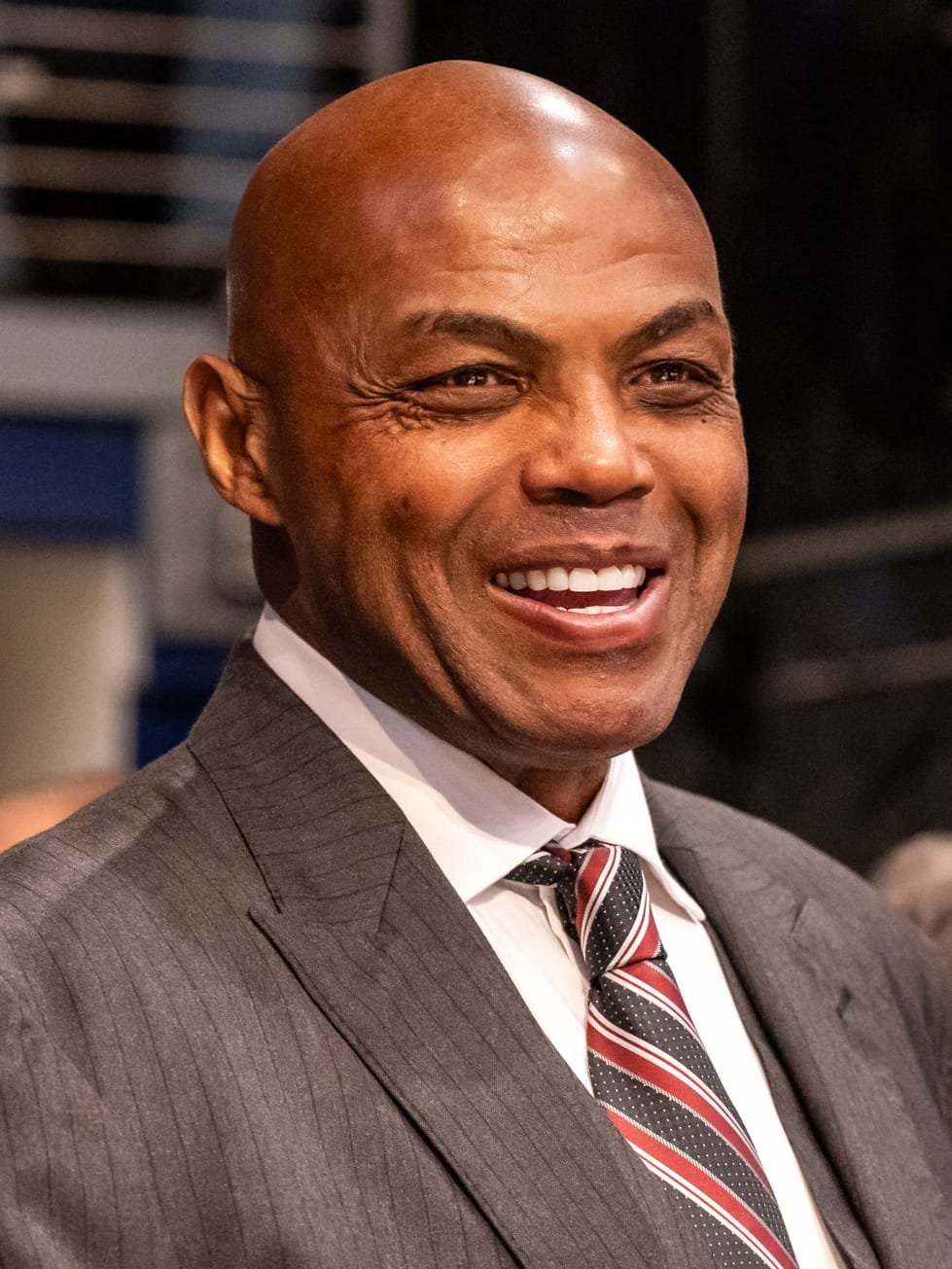
Caption: Charles Barkley, still making a room tilt in his direction decades after he left the paint. Photo via Wikimedia Commons.
The easiest way to misunderstand Charles Barkley is to assume the joke arrives first and the substance wanders in later. It feels that way on television because he talks like a man who has no patience for decorative language and even less for people who use a meeting to hide from a number. Then you look a little closer and realize the act is not an act. The candor is the business model.
That is what made Barkley an interesting guest shark. He was not a founder in the Daniel Lubetzky mold or a polished operator like Michael Rubin. He was something more American and more unruly, a sports icon who turned plain speech, trust, and mass familiarity into a second career that now pays like the first one once did. If business is partly about getting people to believe you before they buy from you, Barkley has been in that trade for years.
Early Life
Charles Wade Barkley was born on February 20, 1963, in Leeds, Alabama, a small town outside Birmingham. The headline facts are familiar. His father left early. His mother, Charcey Glenn, and grandmother, Johnnie Mae Edwards, did most of the raising. What matters more is the texture. In a 2023 [Sports Illustrated interview](https://www.si.com/nba/2023/03/27/charles-barkley-interview-daily-cover), Barkley described a childhood with little money but a lot of community, the kind of upbringing where everybody knew your business and there was nowhere to hide from your own laziness.
That background shows up in his voice even now. Barkley never sounds like a man who was trained in brand-management school. In a 2003 [Fresh Air interview archive](https://www.freshairarchives.org/segments/former-nba-star-charles-barkley), he said he liked growing up in a small town because he avoided many of the distractions that swallow kids in bigger cities.
“Kids aren’t racist, adults are racist.” , Charles Barkley, *Sports Illustrated*
By the time he reached Auburn, Barkley had already built the reflex that would define the rest of his life. Auburn turned that edge into production. He averaged 14.1 points and 9.6 rebounds in 84 games there, helped take the Tigers to their first NCAA tournament appearance, and left in 1984 as the No. 5 pick in the NBA draft.
The Business That Made Them
The business that made Barkley wealthy was basketball. The business that kept him wealthy was media. Those are not the same thing, and that distinction matters.
Barkley earned about $40.6 million in NBA salary, according to publicly compiled career salary records cited by [Celebrity Net Worth](https://www.celebritynetworth.com/richest-athletes/nba/charles-barkley-net-worth/). That was excellent money for its era, but not enough by itself to explain a lasting fortune in 2026. The bigger long-tail asset was relevance. When Barkley joined TNT’s Inside the NBA in 2000, he found the second act that most retired athletes spend years fumbling toward. He was funny, but more important, he was legible. Viewers knew what he thought even before he finished the sentence.
NBA.com reported on August 6, 2024 that Barkley chose to remain with TNT Sports and noted he had signed a 10-year contract extension in 2022. The widely cited annual value is around $10 million. Even if the exact number lives inside private paperwork, the point is plain enough. Television did not turn Barkley into a mascot. It turned him into an annuity with opinions.
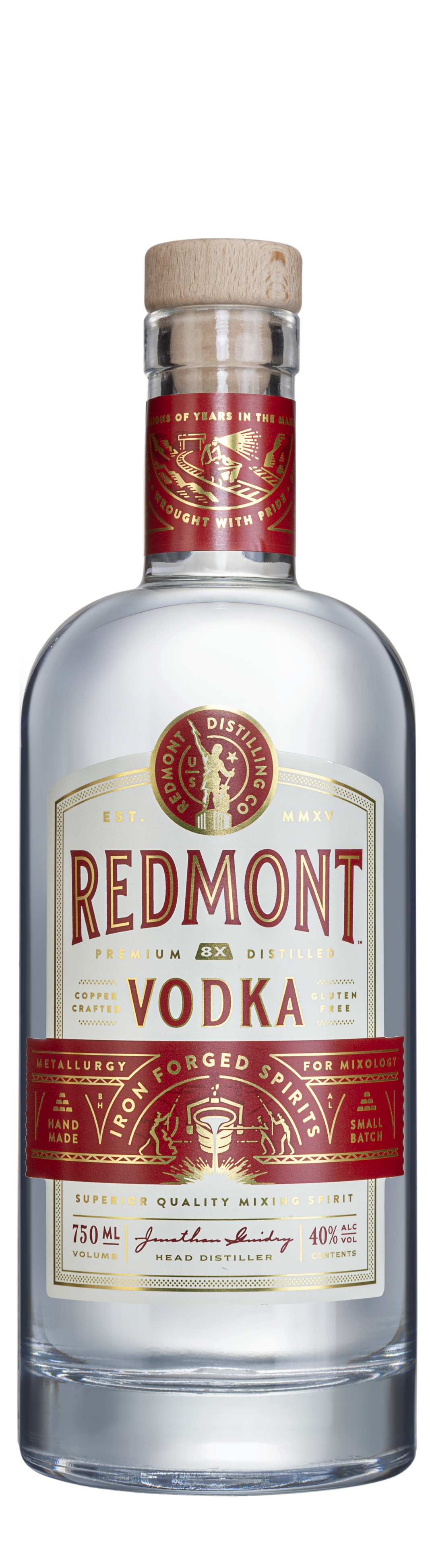
Caption: Redmont Vodka is one of Barkley’s clearest business bets, a premium spirits play rooted in Alabama rather than a random celebrity side quest. Image from Redmont Vodka.
Then came the brand bets. Redmont Distilling says it began producing Redmont Vodka and Vulcan Gin in Birmingham in 2015, with Barkley as owner. That is not a billion-dollar empire and it does not need to be. The point is that Barkley finally picked a lane that matched his public persona. Spirits, broadcasting, endorsements, and selective consumer products all live on the same strip of highway. They depend on recognition, trust, and the sense that the person attached to the thing is not faking the attachment.
Start with $40.6 million in NBA salary. Add decades of endorsements, more than two decades of television checks, and business income from ventures like Redmont. You do not need a tech unicorn when you already own one scarce asset, an audience that still listens.
That is also why Barkley worked on Shark Tank at all. He is not the spreadsheet shark. He is the mass-market shark.
Investment Philosophy
Barkley’s investing style looks a lot like his broadcasting style. He wants the pitch in plain English, the customer story in one breath, and the founder to stop hiding behind theory. That can make him seem looser than he is. He is not loose. He is impatient.
He also seems drawn to products with an obvious consumer problem and a blunt demo. Redmont is a bottle. Zorpads are shoe inserts. SubSafe keeps sandwiches from getting soggy. Cave Shake was a ready-to-drink keto product.
“Anytime you accomplish anything in life, it’s a group effort.” , Charles Barkley, Auburn statue speech
That quote matters because Barkley has never sold himself as a solo genius. His better lines usually point to teammates, family, or the town that made him. Even his ego has a working-class shape to it. He brags like a man who still hears the doubters, not like one who assumes applause is his birthright.
There is also a practical streak in the way he judges founders. In 2018, ABC noted that Barkley had committed $1 million to invest in female entrepreneurs. That was a real clue to his Tank persona. He was not there to play cartoon billionaire. He wanted a product he understood and a founder he could trust in the room, which is a sturdier test than people make it sound. A lot of founders are convincing in a pitch and exhausting in a board meeting. Barkley seems to know the difference.
On Shark Tank
Barkley made his guest-shark debut in Season 10. ABC announced his arrival on October 3, 2018, and SharkTankDB’s episode and shark pages show that he made three on-air deals, all in Season 10, for a total of $375,000.
Episode 4, which aired on October 28, 2018, was his cleanest solo win. Barkley offered Cave Shake $250,000 for 20%. The founders had asked for $250,000 for 10%, so his deal cut the valuation from $2.5 million to $1.25 million. That sounds harsh until you remember what he was buying. Not software. Not patents with lockup power. A consumer beverage in a crowded aisle. If you are paying up in that category, you had better be paying for velocity, and the company had not earned that yet.
Two more deals followed in Episode 13 on January 27, 2019. Barkley joined Mark Cuban on SubSafe at $100,000 for 25%, and he partnered with Lori Greiner on Zorpads at $150,000 for 22.5%. SharkTankDB breaks Barkley’s credited share at $50,000 into SubSafe and $75,000 into Zorpads. The checks were smaller, but the pattern was the same. Products with simple demos. Problems that regular people already understood. Founders who did not need the audience to imagine a future five regulatory approvals away.
“I could’ve really use this when I played with some of the funky feet I played with.” , Charles Barkley, on Zorpads via *The Philadelphia Inquirer*
That quote came during the Zorpads negotiation, and it says almost everything about his on-air value. Barkley could turn a pitch into a locker-room story in one sentence, which meant the audience instantly understood the use case. That skill is not fluff. It is sales compression.
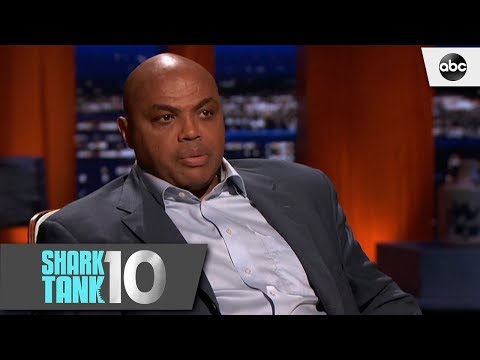
Caption: Barkley did not try to play venture capitalist on television. He played Barkley, and that was the edge. Image via ABC on YouTube.
The post-show outcomes were mixed. Cave Shake later rebranded as Space Shake. Zorpads remained in business and used the show’s exposure well. SubSafe kept selling into the outdoor and beach-use crowd.
If you want a contrast, compare Barkley with our [Michael Rubin profile](https://thesharkmonitor.com/michael-rubin-from-law-school-to-shark-tank/). Rubin operates like a scale obsessive. Barkley operates like a credibility filter. Both can work. Barkley’s version is just noisier and, frankly, more fun to watch.
Online Presence
Barkley has something rarer than a big following, he has a portable audience. People will watch him on TNT, clip him on social media, quote him on sports radio, and then follow him into commercials or side ventures because his public voice is stable. He is not trying to be a different person on each platform. In the age of managed authenticity, that counts as a competitive advantage.
His online community is broad. NBA fans want the jokes. political junkies want the bluntness. Auburn people claim him like a family member who made it out and kept coming back. Shark Tank viewers saw the same trait in miniature.
What People Are Saying
Barkley’s peers usually describe him as exactly what television viewers suspect he is, a force that cannot really be softened without ruining the product. The best concise version came from Auburn coach Bruce Pearl in 2024.
“He’s a great American story.” , Bruce Pearl, Auburn Athletics
Reddit reactions around his Shark Tank appearances followed the same line. Viewers called him one of the better guest sharks because he felt like an actual person rather than a motivational poster in a suit. That is not a small compliment. Shark Tank is full of people who know how to sound rich. Barkley sounds human.
Net Worth
The most common public estimate for Barkley in 2026 is about $90 million. SharkTankDB cites that figure from Celebrity Net Worth, and it passes the smell test.
Here is the rough build. NBA salary: about $40.6 million. Broadcasting: more than two decades of premium studio work, with a 10-year extension signed in 2022 that kept him attached to TNT Sports. Endorsements: decades of national campaigns and licensing-style visibility. Ventures: Redmont Distilling and smaller consumer bets. Then subtract taxes, agent fees, losses, and Barkley’s well-documented gambling habit, which he has discussed publicly for years. You still land in the high eight figures.
The key point is that Barkley’s fortune does not come from one elegant founder story. It comes from staying commercially relevant for an absurdly long time.
FAQ
Is Charles Barkley in Shark Tank?
Yes. Barkley appeared as a guest shark in Season 10 of Shark Tank during the 2018-2019 run. He was not a regular panelist, but he made enough noise to leave a clear imprint.
What companies did Charles Barkley invest in on Shark Tank?
His on-air deals were Cave Shake, SubSafe, and Zorpads. The total committed on air was $375,000, with Barkley either investing solo or alongside another shark.
What season was Charles Barkley on Shark Tank?
He appeared in Season 10, first in Episode 4 and later in Episode 13. ABC announced his guest-shark debut on October 3, 2018, ahead of that season.
How much was Cave Shake worth on Shark Tank?
The founders asked for $250,000 for 10%, which implied a $2.5 million valuation. Barkley offered the same $250,000 for 20%, which cut the implied valuation to $1.25 million. In plain English, he liked the product more than the price.
What is Charles Barkley’s net worth in 2026?
The most widely cited public estimate is about $90 million. That figure reflects NBA earnings, broadcasting income, endorsement money, and business interests, while also assuming the usual taxes and Barkley-sized detours.
Final Take
Charles Barkley was a better guest shark than a lot of polished operators because he never tried to sound like one. He showed up with fame, yes, but also with a useful instinct for products that could survive outside the studio lights. He understood consumer businesses in the oldest possible way, would a real person buy this, remember it, and mention it to a friend?
My judgment is simple. Barkley is not the guest shark you call for technical due diligence. He is the one you want when your product lives or dies on trust, memorability, and plainspoken selling.
[Article last updated: July 2026. Deal terms and company status reflect publicly available information at time of publication.]

Sebastyen
Sebastyen Wolf is our Editor-in-Chief. He is an analyst and entrepreneur with experience working alongside early-stage founders, launching online ventures, and studying the data patterns that shape successful companies. A fan of Shark Tank since Season 1, he now focuses on translating the show’s most valuable insights into clear, practical takeaways for readers.