Kendra Scott Net Worth, Shark Tank, and the Jewelry Empire Built on $500
TL;DR:
– Kendra Scott built a jewelry business around attainable color, disciplined retail, and a philanthropy model that customers could actually see
– Her career really began after one failed hat business and a second try from a spare bedroom with $500 and a newborn nearby
– Appeared as guest shark in Season 12 (2020); later returned in Seasons 14, 16, and 17 with 12 on-air deals across consumer, family, and lifestyle brands
– Net worth is estimated at $900 million, built across her majority stake in Kendra Scott, retail growth, and later investment activity
Contents
– [Early Life](#early-life)
– [The Business That Made Them](#the-business-that-made-them)
– [Investment Philosophy](#investment-philosophy)
– [On Shark Tank](#on-shark-tank)
– [Online Presence](#online-presence)
– [What People Are Saying](#what-people-are-saying)
– [Net Worth](#net-worth)
– [FAQ](#faq)
– [Final Take](#final-take)

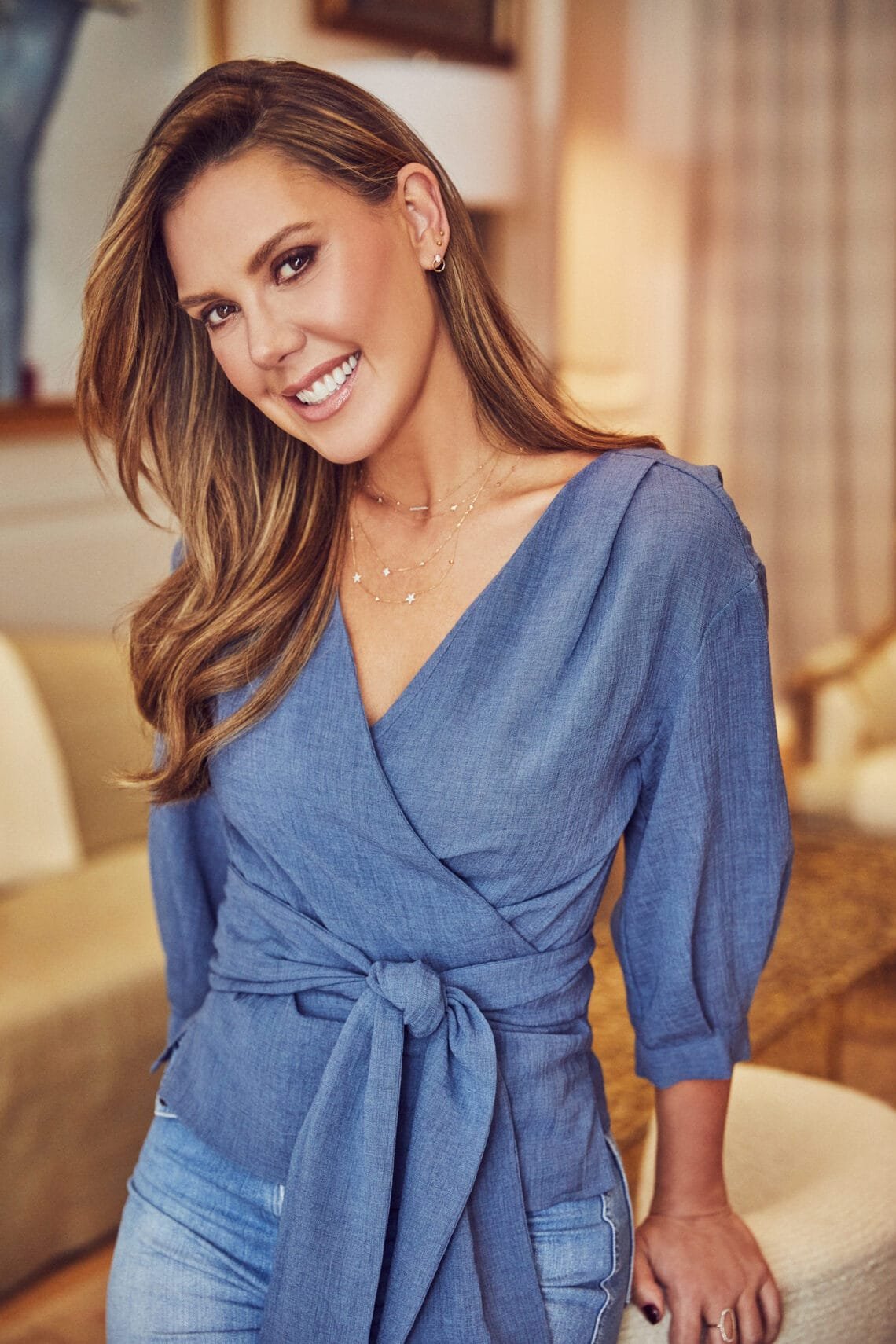
Caption: Kendra Scott, founder of the jewelry brand that turned a card table and $500 into a national retail business. Portrait via Wikimedia Commons.
She started with a tea box full of samples, a baby at home, and the sort of sales route most fashion founders would rather leave out of the movie version. Kendra Scott walked Austin store to Austin store in 2002, asking boutique owners to look at jewelry she had made because she saw a gap between expensive gemstone pieces and cheap throwaway accessories. It was not elegant. It was work.
What makes Scott interesting on Shark Tank is that she never came in sounding like a mascot for women’s retail. She sounded like someone who had done the ugly parts herself, the shut-down business, the cash squeeze, the door that closes while you are still smiling. That gives her a different kind of credibility. A lot of guest sharks bring fame. Scott brought operating experience, and on this show that counts for more than charm.
Early Life
Kendra Scott was born on March 27, 1974, in Kenosha, Wisconsin. She grew up in a family that treated work less like a slogan and more like table stakes.
Her family moved to Texas when she was a teenager. Austin became the place where Scott left school, helped care for her stepfather during his battle with brain cancer, and tested the first version of herself as a founder. At 19 she opened The Hat Box, a store inspired by women going through chemotherapy. The business did not last. Five years of trying and then closing a store will teach you more about cash flow than ten tidy founder podcasts ever could.
“That failure was the greatest education I ever got in business.” , Kendra Scott, on *For the Love* with Jen Hatmaker
Scott has been consistent about what she carried out of that period. The Hat Box did not make her rich, but it tied business to service in her head. In a Forbes interview, she traced that lesson back to watching her stepfather’s illness up close and deciding that a company ought to do more than ring a register.
Her public style makes more sense in that light. Scott is warm on camera, but she is not dreamy about business. By the time she returned with jewelry, she was looking for a model that could survive.
The Business That Made Them
The company that changed everything was Kendra Scott, launched in 2002 from a spare bedroom with $500. Scott saw that women wanted pieces with color and presence but did not want to pay luxury-jewelry prices every time they wanted something new. She went after that middle ground, then sold it face to face.
The numbers tell the story. Forbes reported on June 3, 2025 that Scott’s fortune came from her majority stake in a business with more than $500 million in revenue and 152 stores. ABC’s August 2026 press bio pushed that snapshot further, describing more than 170 standalone stores and over 3,200 employees.
Caption: The Kendra Scott brand grew from jewelry into a wider lifestyle business with stores, e-commerce, gifting, and new categories. Image from Kendra Scott.
The valuation math is unusually clean. Forbes reported that Berkshire Partners bought a minority stake in 2016 at a $1 billion valuation. Using Forbes’ later revenue figure of more than $500 million, that billion-dollar mark implies a revenue multiple of about 2x. For a consumer brand with stores, wholesale exposure, and e-commerce, that is ambitious but not absurd.
That belief held up well enough that Berkshire’s position was replaced in September 2024 by 65 Equity Partners, with Scott still holding the majority and even increasing her ownership. In Scott’s case, the ownership story remained founder-heavy.
The philanthropy side is large enough to count as operating fact, not branding garnish. The company site says it has donated $65 million to local, national, and international causes. ABC’s 2026 press bio puts the combined monetary and in-kind total at more than $70 million since 2010. The Kendra Scott Foundation, launched in 2023, now houses programs in health and wellness, education, and entrepreneurship.
Investment Philosophy
Scott invests like a retailer who still thinks in shelves, events, and mothers with calendars. She is not hunting for abstract cleverness. She wants products that can be demonstrated in ten seconds, understood in five, and sold to real people without a graduate seminar attached.
In a 2018 Forbes interview, she said the hardest part of building her company was starting with no capital and paying everyone else before paying herself. That shows up in how she talks to founders. She tends to respect hustle, but she does not confuse it with margin. She likes a product with emotional pull, then asks whether the cost structure has enough spine to survive success.
“Growing a business from nothing was a tremendous struggle from the start.” , Kendra Scott, Forbes interview, 2018
There is also a clear human filter in her decision-making. Scott has spent years talking about culture, working motherhood, and building a company where ambition does not require pretending you do not have children. She wants founders who know why they are building, who can speak to customers plainly, and who are not trying to cosplay a Silicon Valley genius while selling a towel, a sock, or a bottle of sauce.
Glossy once quoted her saying the company went to markets where its customers already were, not just vanity locations. That line explains her investing better than most TV soundbites. Scott values practical distribution, clear audience fit, and the unglamorous act of meeting the customer where she already spends money.
On Shark Tank
Scott first appeared in Season 12, Episode 2 of Shark Tank in October 2020. SharkTankDB’s current deal ledger shows 12 on-air deals worth a combined $2.42 million, spread across Seasons 12, 14, 16, and 17. Her biggest checks were $500,000 each for Bootay Bag in Season 12 and Doublesoul in Season 17.
Her first season laid out the template. She did Bootay Bag at $500,000 for 10%, then added Sienna Sauce, Byoot Company, and OpulenceMD Beauty later in Season 12. In Season 14 she won the deal for Create A Castle at $350,000 for 20%. In Season 16 she backed Yardsale at $250,000 for 10%. In Season 17 she added Doublesoul, Alchemize Fightwear, Cabana Boys Events, Sleepy Baby, Left Field, and Crowd Compass.
“I have six kids. I am a mom and a bonus mom, so we spend a lot of time on the beach.” , Kendra Scott, during the Create A Castle pitch
That line shows how she frames value. Scott often sells herself to founders as a customer proxy before she sells herself as a finance expert. In consumer products, that matters.
It also explains why the producers keep using her in categories with a family or gifting angle. Scott is strongest when she can picture the buyer, the packaging, and the shelf in the same breath.

Caption: Scott’s Tank persona is less chest-thumping, more pattern recognition, especially with family and lifestyle products. Image from Sony Pictures Television’s official Shark Tank clip thumbnail.
Some of the after-the-show outcomes fit her strengths. Create A Castle remains in business and still sells its sand-and-snow kits directly. Sienna Sauce was still selling nationwide through retail partnerships in 2025. Doublesoul, one of her newer deals, was still early but had enough traction by August 2026 to become part of a Business Insider founder profile tied to its post-show momentum.
Her record looks solid, not spotless. That is the right standard. Consumer investing is not about never missing, it is about knowing which categories give you repeatable odds.
What makes Scott stand out against other guest sharks is not that she knows jewelry. It is that she understands branded commerce all the way down, wholesale, retail, gifting, events, and store experience. In that sense, she is closer to Rohan Oza than to the celebrity guests who mostly lend sparkle and nodding.
Online Presence
Scott’s online presence follows the same lane as her business. The brand’s LinkedIn page showed about 109,000 followers in July and August 2026, and its updates leaned heavily on store launches, philanthropy, seasonal campaigns, and leadership hires.
That audience is broader than it first appears. There is the core customer who buys earrings and bracelets, the mother buying gifts, and the younger shopper who sees the brand as attainable polish. There is also a founder audience now, thanks to Scott’s book, speaking appearances, and Shark Tank run.
What People Are Saying
The more credible outside read on Scott is simpler: people who cover her business tend to return to the same traits, preparation, consistency, and a rare ability to make warmth commercially useful.
“Nothing but sincere. But please don’t be fooled. Kendra Scott means business.” , *TRIBEZA*, 2018 profile
The public commentary tends to split in a revealing way. Admirers point to the $500 origin story, the late acceptance of outside capital, and the real dollar totals behind the philanthropy work. Skeptics sometimes roll their eyes at the sweetness of the branding. Both camps are seeing something real. Scott built a business where warmth and discipline are not enemies.
Net Worth
Forbes estimated Scott’s net worth at $900 million as of June 3, 2025. That is the cleanest number in public circulation, and it fits the available facts better than the lower consumer-celebrity estimates floating around elsewhere.
Start with a company that Forbes said generated more than $500 million in revenue. Add a 2016 valuation of $1 billion, followed by a 2024 investor reshuffle that still kept Scott in majority control. Layer in a larger store base by August 2026, plus category expansion and private investment activity. The case for a fortune near $900 million is not heroic math. It is founder-equity math.
FAQ
What is Kendra Scott’s net worth?
Forbes estimated Kendra Scott’s net worth at $900 million on June 3, 2025. That figure rests mainly on her majority stake in the Kendra Scott company.
How did Kendra Scott start her business?
She started the company in 2002 from a spare bedroom with $500. Scott took early samples to Austin boutiques herself after spotting a gap between luxury gemstone jewelry and cheap fashion accessories.
What companies did Kendra Scott invest in on Shark Tank?
Her on-air deals include Bootay Bag, Sienna Sauce, Byoot Company, OpulenceMD Beauty, Create A Castle, Yardsale, Doublesoul, Alchemize Fightwear, Cabana Boys Events, Sleepy Baby, Left Field, and Crowd Compass. SharkTankDB lists 12 total deals worth $2.42 million. The mix leans hard toward consumer, family, and lifestyle products.
Which Shark Tank seasons featured Kendra Scott?
Scott appeared in Seasons 12, 14, 16, and 17. Her first episode aired in October 2020, and she remained a recurring presence over the next several seasons.
Is Kendra Scott still involved in her company?
Yes. She is no longer the day-to-day CEO, but she remains the founder and executive chairwoman, and ABC’s 2026 press bio also describes her as chief visionary officer.
Final Take
Kendra Scott is a strong guest shark because she understands the plain old business of selling things that people actually buy with their own money. She knows price point, presentation, gifting, repeat purchase, and the difference between a nice idea and a shelf-ready business.
My read is blunt. Scott is better on the show than some louder sharks because her expertise is narrower and more useful. Give her a founder with a consumer product, an emotional hook, and a route to repeat sales, and she gets dangerous in the best way. She built her own company with cash discipline, retail instincts, and a public voice that does not scare away the customer. In the Tank, that is real edge.
[Article last updated: August 2026. Deal terms and company status reflect publicly available information at time of publication.]

Sebastyen
Sebastyen Wolf is our Editor-in-Chief. He is an analyst and entrepreneur with experience working alongside early-stage founders, launching online ventures, and studying the data patterns that shape successful companies. A fan of Shark Tank since Season 1, he now focuses on translating the show’s most valuable insights into clear, practical takeaways for readers.